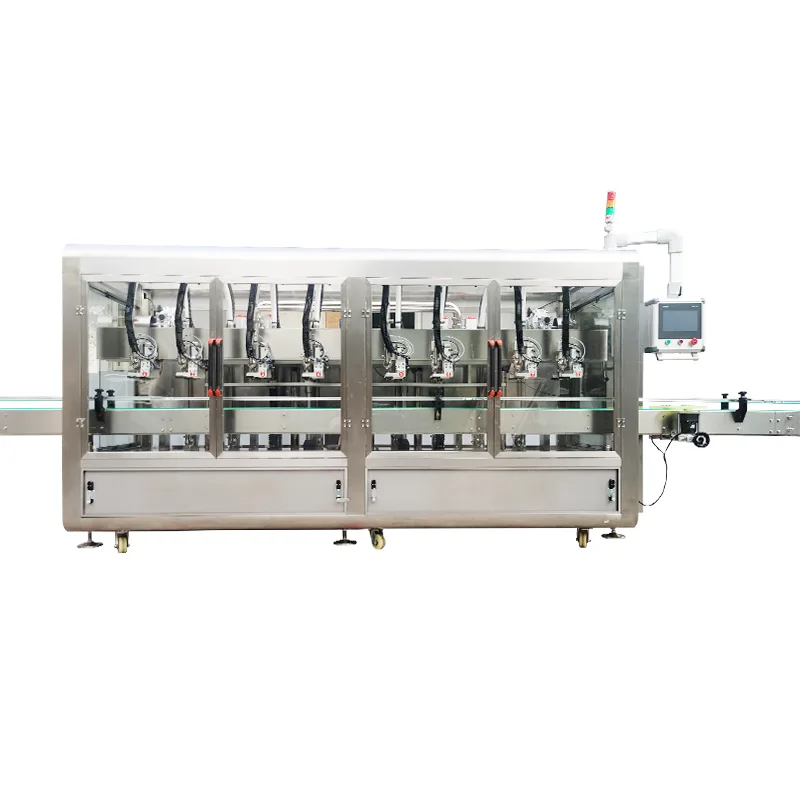
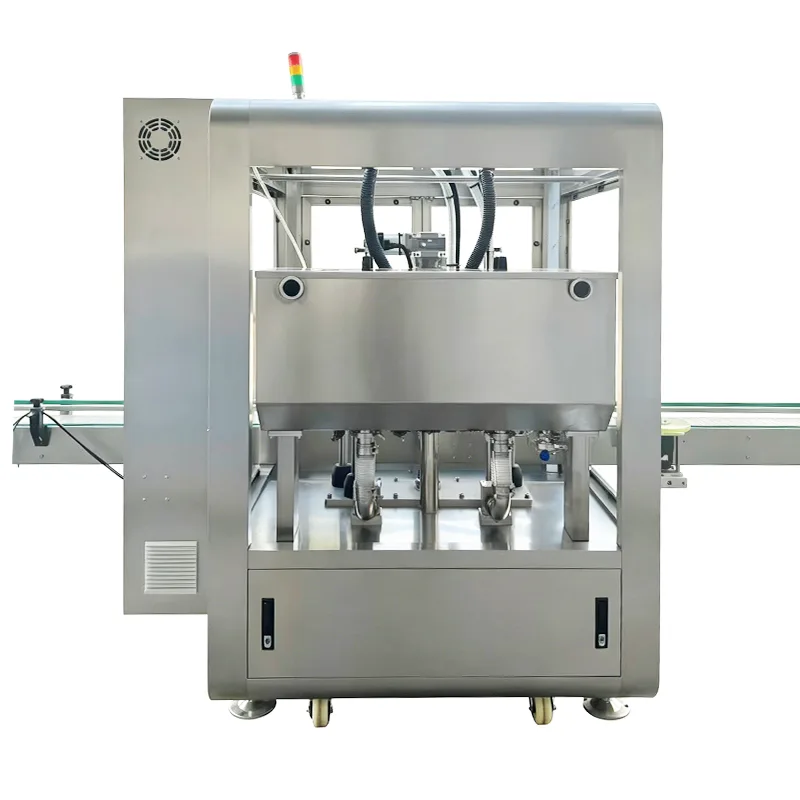
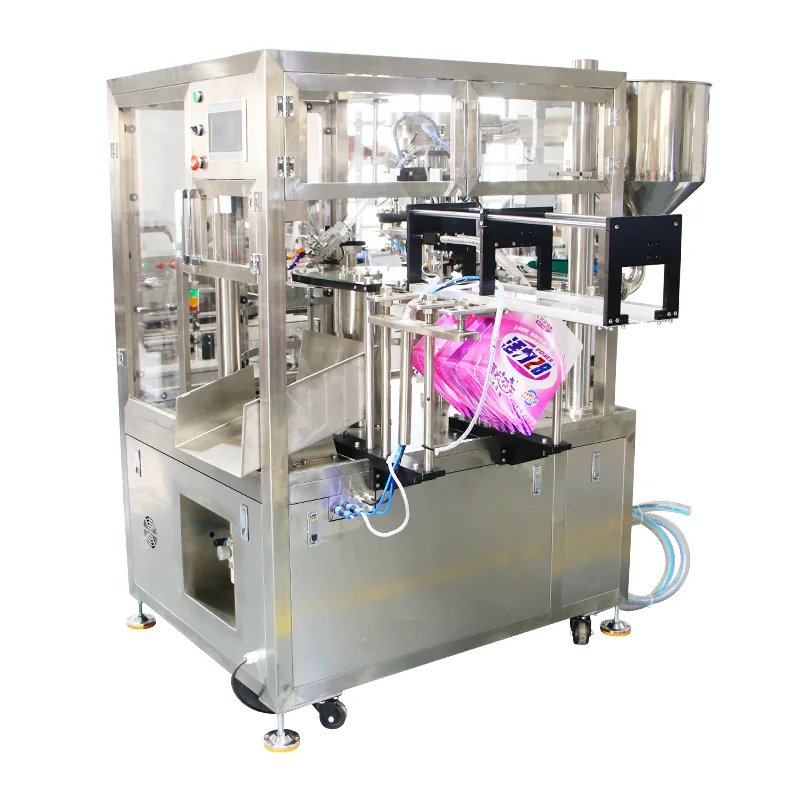
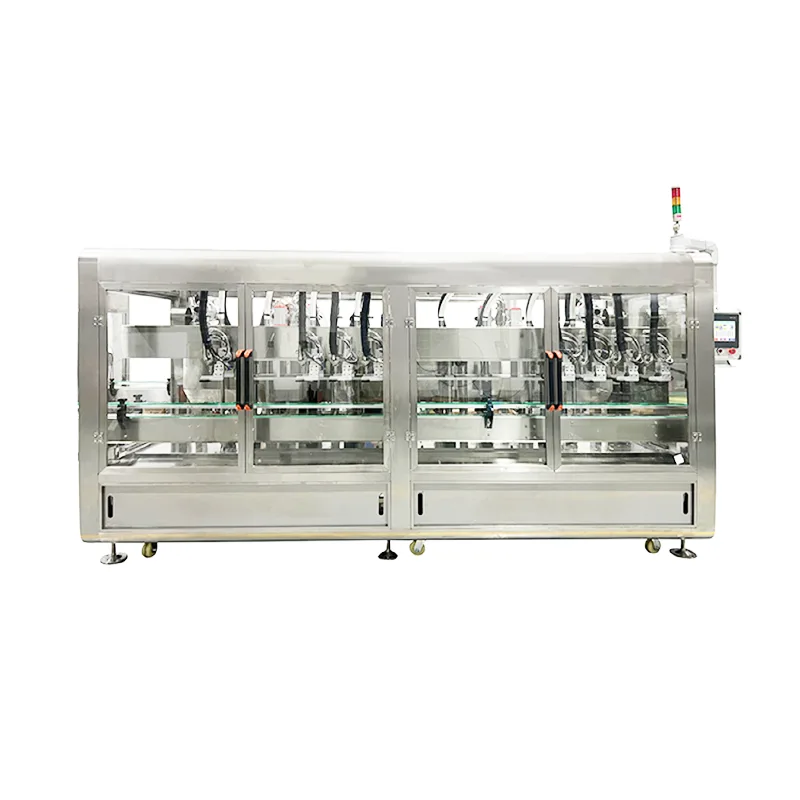
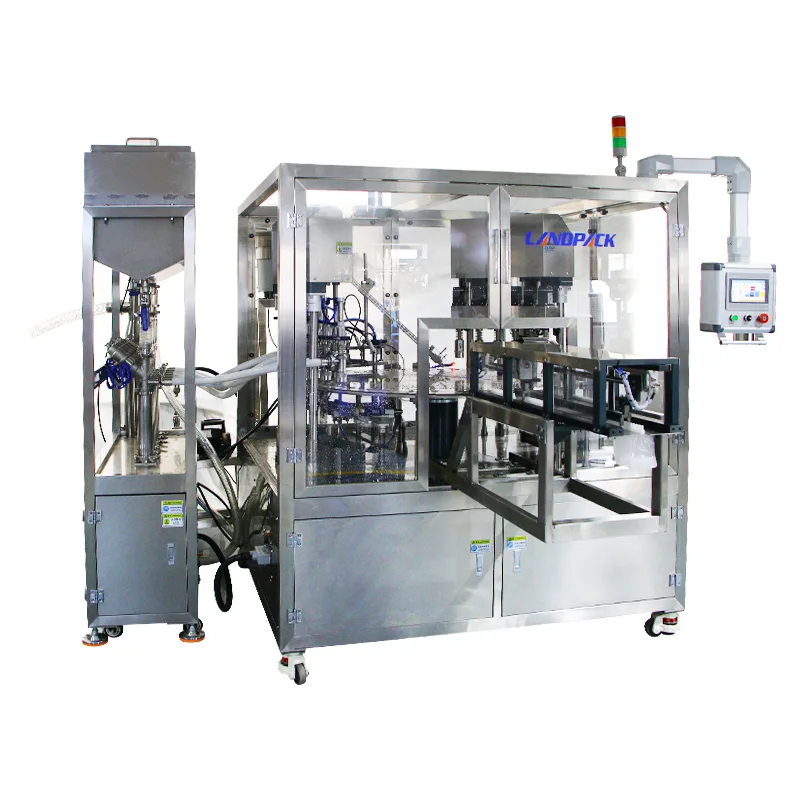
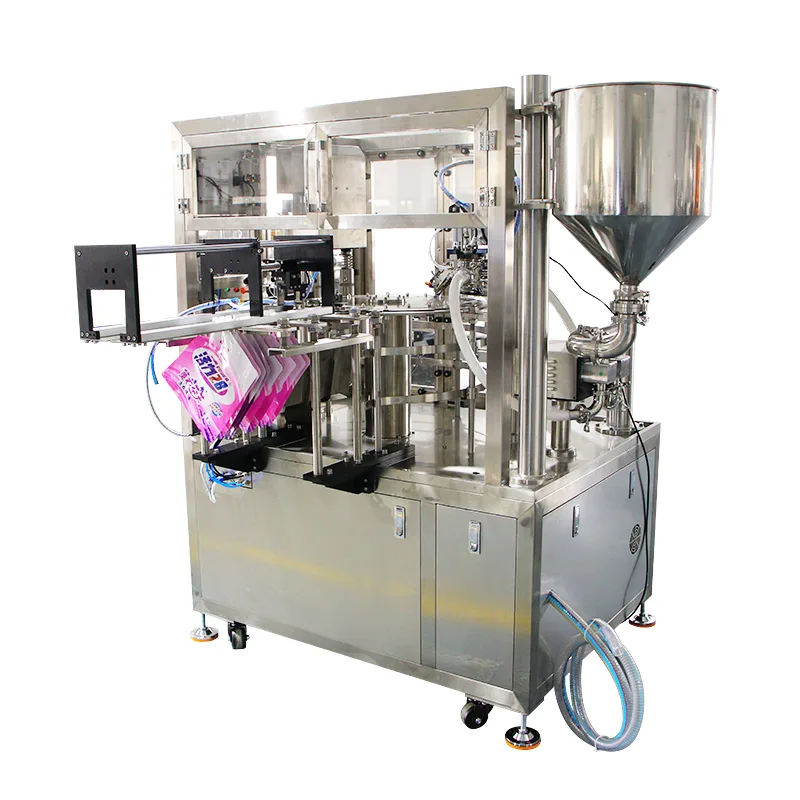
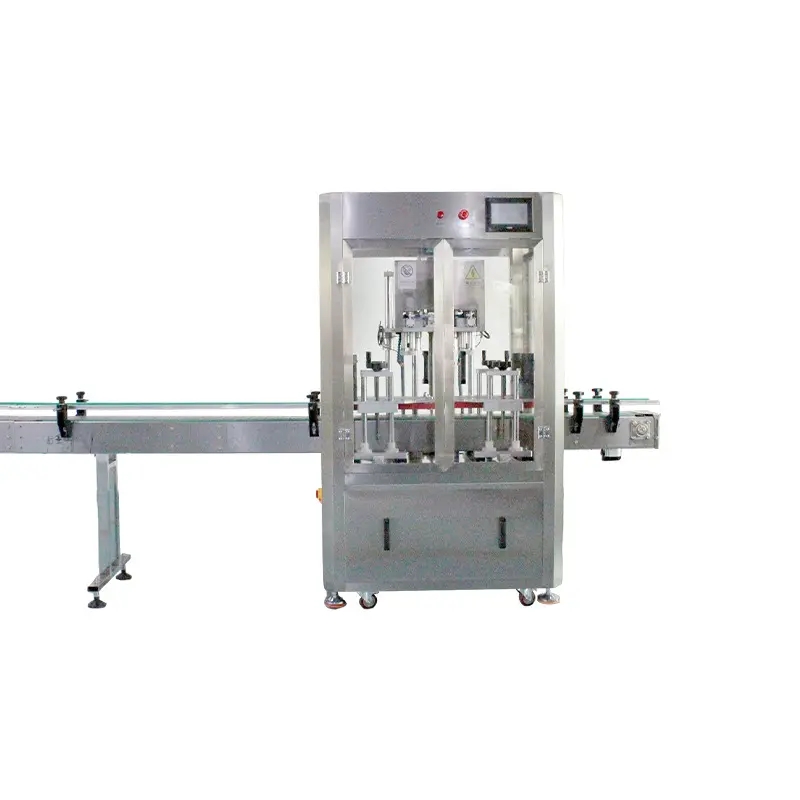
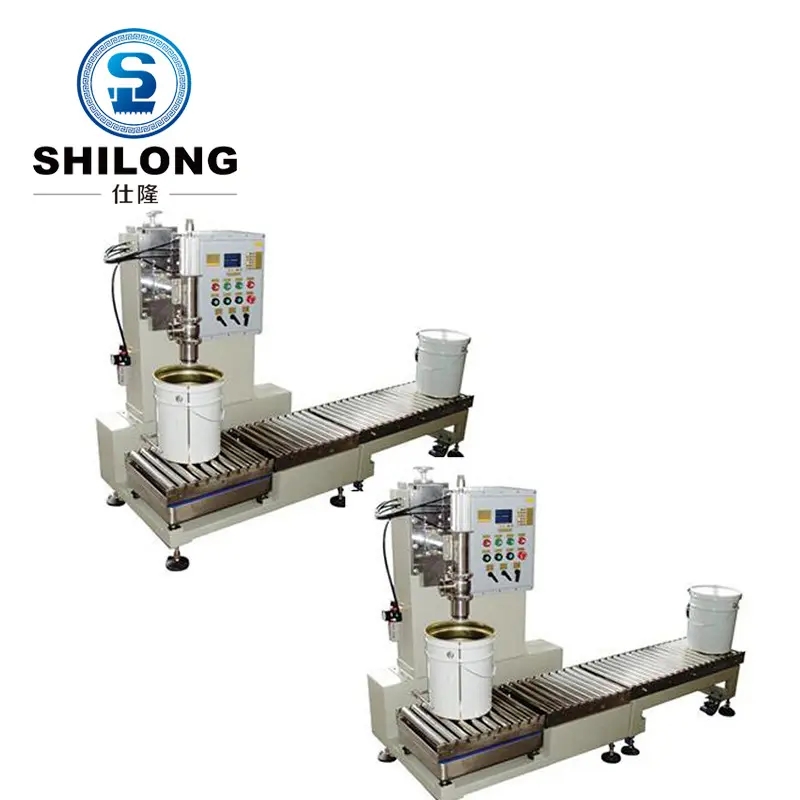
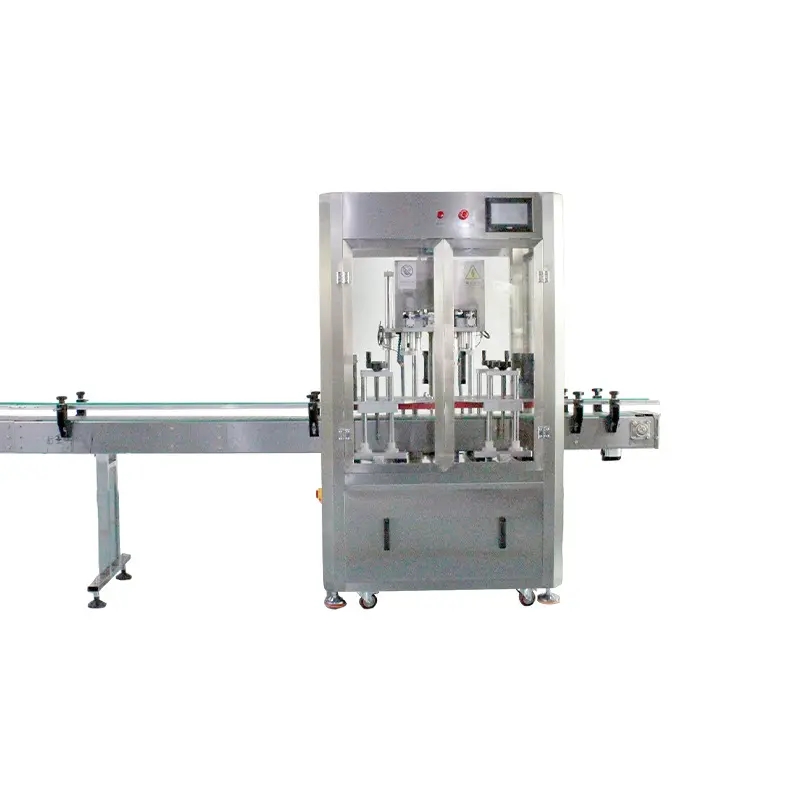
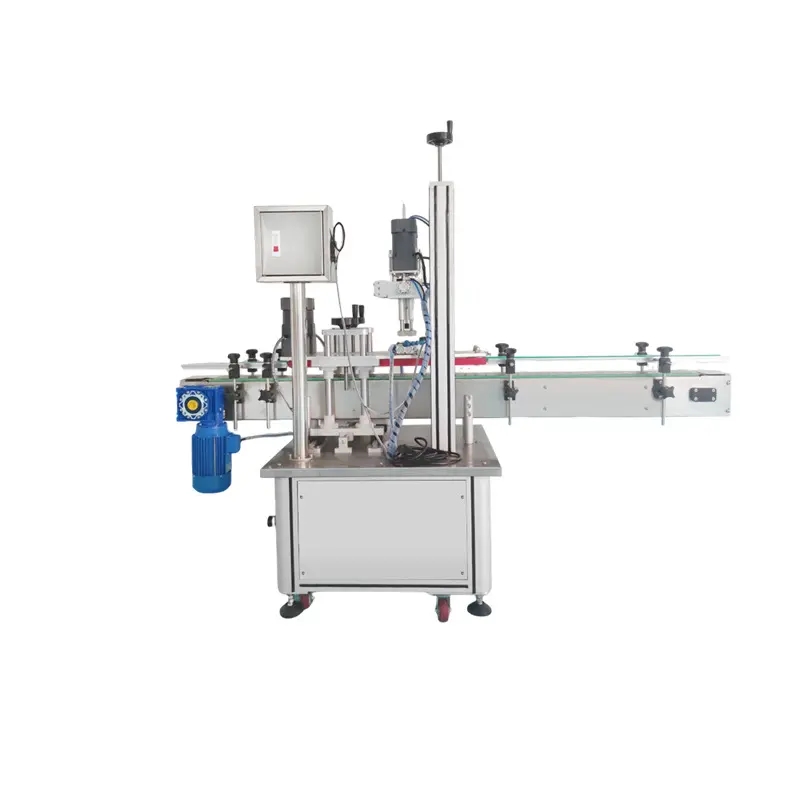
Applicable for piston‑type, gear‑pump, peristaltic‑pump and vacuum automatic liquid filling machines
Safety Precaution: Cut off power supply and air source before maintenance. Allow hot‑material equipment to cool down. Do not wash electrical components directly with water. For food & pharmaceutical grade units, perform cleaning in compliance with GMP requirements.
Maintenance levels: Daily Maintenance, Weekly Maintenance, Monthly Maintenance, Quarterly Maintenance, including reference replacement cycles for key wearing parts.
1、Daily Maintenance
1. Cleaning of material‑contact parts
Disassemble and rinse hopper, material cylinder, filling nozzles, pipelines and filters. For food & daily‑chemical applications, clean with water and food‑grade detergent, then rinse thoroughly with clean water.
Remove residual material from filling nozzles to prevent blockage caused by dried deposits. Thoroughly flush equipment when handling crystallizable liquids.
For peristaltic pump units: remove and clean hoses; inspect for cracking, whitening or bulging.
2. Equipment surface & station cleaning
Wipe off splashed liquid on machine frame, conveyor and bottle positioning stations. Dry stainless‑steel surfaces to avoid corrosion by residues.
Wipe photoelectric sensors and position sensors to remove liquid splashes and dust, preventing detection failure.
3. Pneumatic system check
Drain water from air filter regulator‑lubricator unit. Keep proper oil level of oil mister. Maintain working air pressure at 0.5‑0.7 MPa.
4. Simple running inspection
Perform dry‑run test. Check smooth movement of filling‑nozzle lifting and cylinders. Observe for dripping and abnormal noise.
Verify normal anti‑drip suck‑back function.
5. Record: Log operating status and abnormalities for shift handover.
II. Weekly Maintenance
1. Piping & valve components
Disassemble and inspect seals of all feed pipelines and joints for deformation and aging. Check connections for leakage.
Clean check valves (for piston machines). Remove debris from valve seats to ensure tight sealing and prevent back‑siphon & metering deviation.
Fully disassemble and clean filter screens; replace damaged screens immediately.
2. Transmission parts
Conveyor belt: remove debris on rollers. Adjust belt tension and correct belt deviation. Clean sticky residues on belt surface.
Cylinders: wipe piston‑rods free of liquid residues. Inspect cylinders for air leakage.
3. Pump inspection
Piston filling machine: check piston movement for jamming; inspect condition of piston seals.
Gear‑pump filling machine: listen for abnormal running noise; check pump head for leakage.
Evaluate wear of filling‑nozzle seals, piston seals and check‑valve sealing discs; replace as required.
Replace peristaltic pump hoses periodically even without visible rupture to avoid fatigue burst.
2. Transmission lubrication
Important: Do NOT apply lubricant to material‑contact zones to prevent product contamination.
For frame slide rails and lifting guide shafts: wipe away old grease. Apply food‑grade grease for food‑industry machines; apply general industrial grease for chemical‑industry machines.
Check chain tension and apply moderate lubrication for chain mechanisms.
3. Pneumatic system
Disassemble and clean solenoid valves to clear internal debris. Sticky solenoid spools cause erratic machine actions.
Replace aged or cracked air hoses.
4. Metering calibration
Calibrate filling accuracy for each filling head. Compare against standard measuring tools and revise parameters on HMI touch‑screen.
5. Hopper & material cylinder
Complete disassembly and inspection. Check stainless‑steel surfaces for corrosion and scratches. Clean dead‑zone deposits.
6. General tightening
Tighten mounting bolts for frame and sensors to eliminate loosening caused by long‑term vibration.
IV. Quarterly Maintenance
1. In‑depth disassembly & servicing
Fully disassemble and service pump assemblies: inspect piston cylinders and gear‑pump components for scratches & wear. Replace worn parts when out‑of‑tolerance.
Inspect all seal kits; replace aged seals in batch.
2. Electrical system
Dust‑clean electrical control cabinet and cooling fans. Check operating temperature and wiring of servo motors.
Validate signal performance of limit & photoelectric sensors; inspect grounding condition. For explosion‑proof models, specially inspect explosion‑proof connections.
3. Vacuum system (vacuum filling machines only)
Service vacuum pump; change vacuum‑pump oil. Clean vacuum pipelines and check for air leakage.
4. Full‑load performance test
Run full‑load test. Verify speed, filling accuracy, anti‑drip suck‑back and nozzle lifting functions.
Review historical fault records and eliminate potential hidden risks.
V. Model‑Specific Maintenance Notes
1. Piston‑type Liquid Filling Machine
Check valves are key wearing parts; clean weekly. Damaged seals lead to metering drift and material back‑flow.
Piston seals: normally replace every 1‑3 months; shorten cycle for particle‑laden liquids.
Prevent hard impurities from entering material cylinder to avoid cylinder‑wall scratching.
2. Peristaltic‑pump Filling Machine
Hoses are consumables; do not wait until rupture for replacement. Service life shortens greatly for corrosive or high‑temperature liquids.
Do not over‑compress rollers; excessive pressure accelerates hose failure.
3. Gear‑pump Filling Machine
Hard particles must be filtered before entering pump chamber; feed‑side filter is mandatory.
Internal pump wear directly causes unstable filling volume. Inspect pump head first when flow inconsistency occurs.
4. Vacuum Filling Machine
Change vacuum‑pump oil regularly. Worn bottle‑mouth gaskets cause insufficient vacuum and unstable filling; replace periodically.
VI. Reference Replacement Cycle for Wearing Parts
Spare Parts | Normal Material | Particle‑laden / Corrosive Material |
1. ❌ Never use high‑pressure water jet to wash electric cabinet, servo motors or touch‑screen; may cause short‑circuit damage.
2. ❌ Do not apply ordinary grease on material‑contact surfaces, which will contaminate products.
3. ❌ Do not disassemble pump heads or cylinders while equipment is powered or pressurized.
4. ❌ Do not neglect filter cleaning; impurities will cause permanent pump damage.
5. ❌ Do not run machine with worn consumable parts; this will aggravate faults such as metering deviation and dripping.
Guangzhou Shilong Machinery Equipment Co., Ltd.
Guangzhou Shilong Machinery Equipment Co., Ltd. is a professional manufacturer of packaging machinery integrating research, design, development and production. Committed to introducing advanced domestic and international technologies and integrating high‑quality resources, we supply custom‑tailored packaging equipment for clients with premium‑grade machinery, rich industry experience and professional services. Our company has built a complete industrial system covering product R&D, manufacturing, sales and after‑sales service.
We specialize in developing and manufacturing packaging machinery: bottle‑washing machines, capping machines, labeling machines, sleeve‑labeling machines, sealing machines, emulsifiers, mixing tanks, water‑treatment equipment, as well as customized fully‑automatic and semi‑automatic filling production lines and other food & packaging equipment.
Adhering to our corporate principle of quality‑orientation, reputation‑first and thoughtful service, we strive to deliver personalized products and all‑round support for global customers.
We use cookies to offer you a better browsing experience, analyze site traffic and personalize content. By using this site, you agree to our use of cookies. Privacy Policy