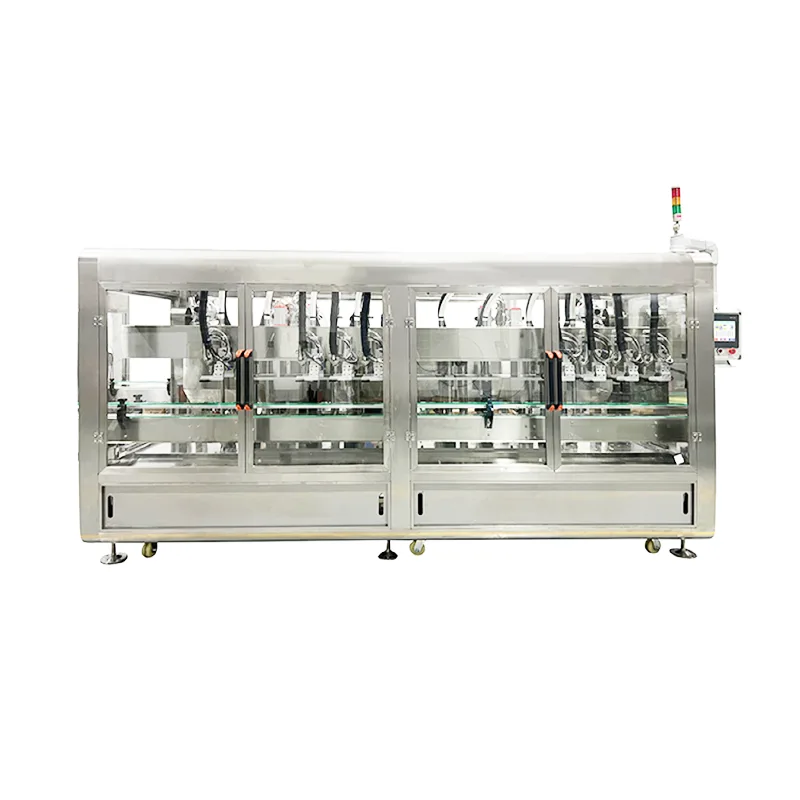
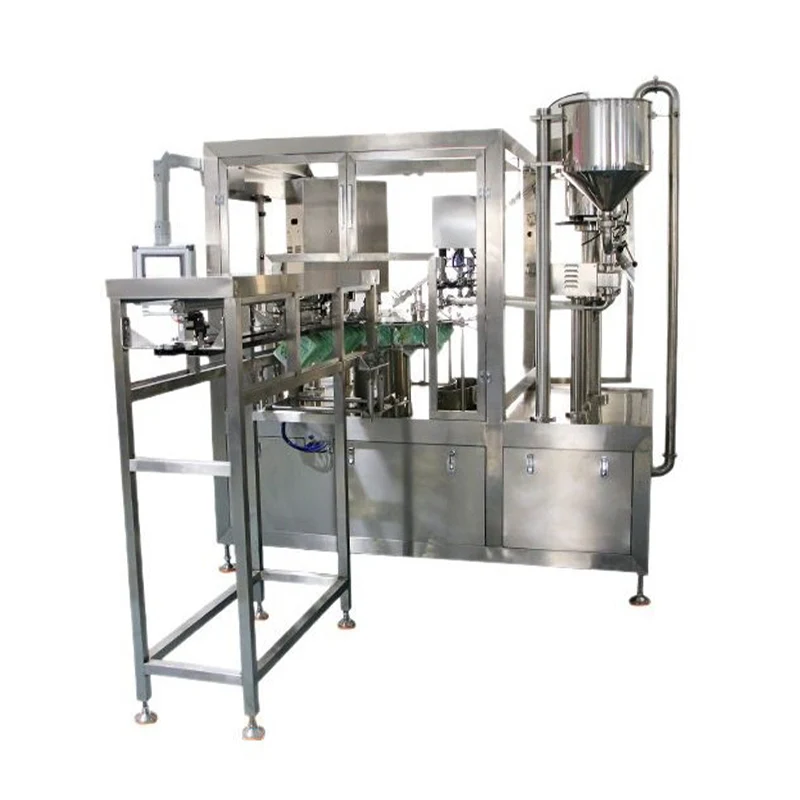
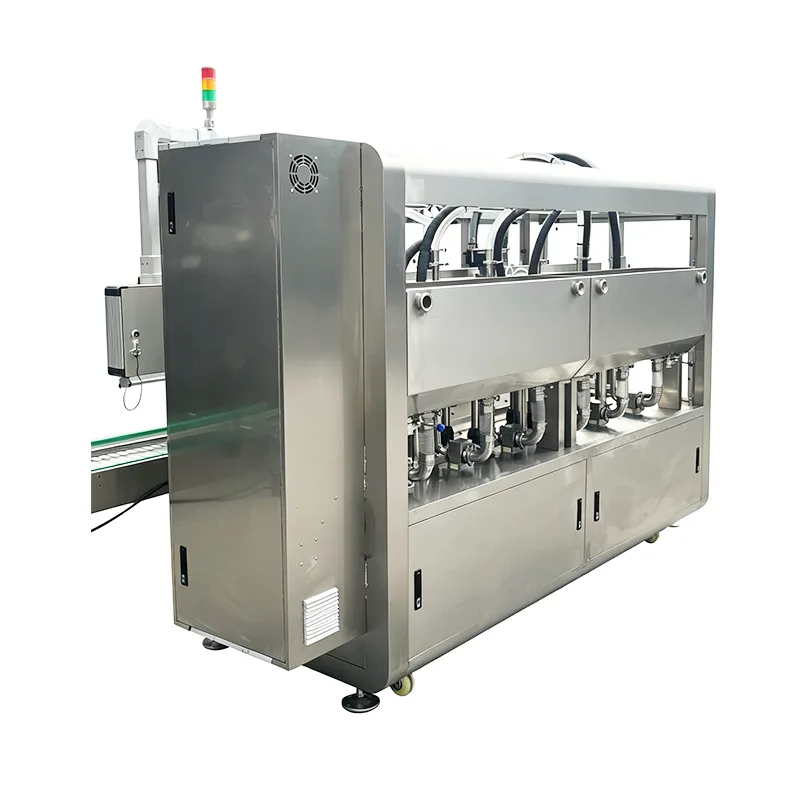
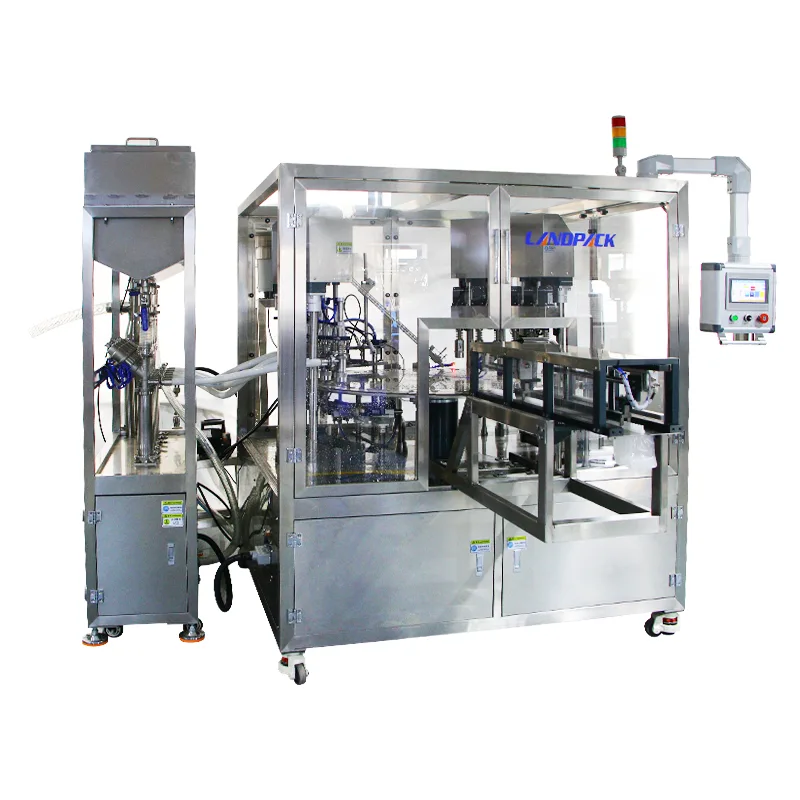
Complete Practical Steps to Select a Suitable Paste Filling Machine
Step 1: Sort out your product parameters
Organize the information below and send it to the factory / manufacturer / supplier to avoid repeated back-and-forth communication:
1. Material: What type of paste is it? (Face cream / chili sauce / ointment / glass sealant)
Does it contain solid particles? Will it string? Will it solidify when cooled? Is it corrosive?
2. Packaging container: Plastic bottle / glass bottle / hose? Confirm the nozzle size and whether the bottle shape is special-shaped.
Important reminder: For hoses (toothpaste, hand cream hoses), ordinary bottled paste filling machines cannot be used. You need a hose filling and sealing machine.
3. Filling specification: Milliliters per bottle, and whether multiple volume ranges are required.
4. Accuracy requirement: ±1% is sufficient for daily chemicals and sauces; ±0.3% is generally required for medicinal ointments and high-end skincare products.
5. Production capacity: Bottles per minute and estimated daily output.
6. Workshop conditions: Do you have an air compressor? Power supply: 220V or 380V? Explosion-proof requirement or GMP hygiene requirement?
Step 2: Determine automation level, do not blindly pursue full automation
- Small batch production, frequent formula & material change, limited budget → Semi-automatic paste filling machine
Manual bottle loading & unloading, foot switch control. Small footprint and easy cleaning. Pneumatic models require an air compressor; servo models need no air compressor with more stable filling but higher price.
- Large output, fixed product for long-term mass production → Full-automatic machine
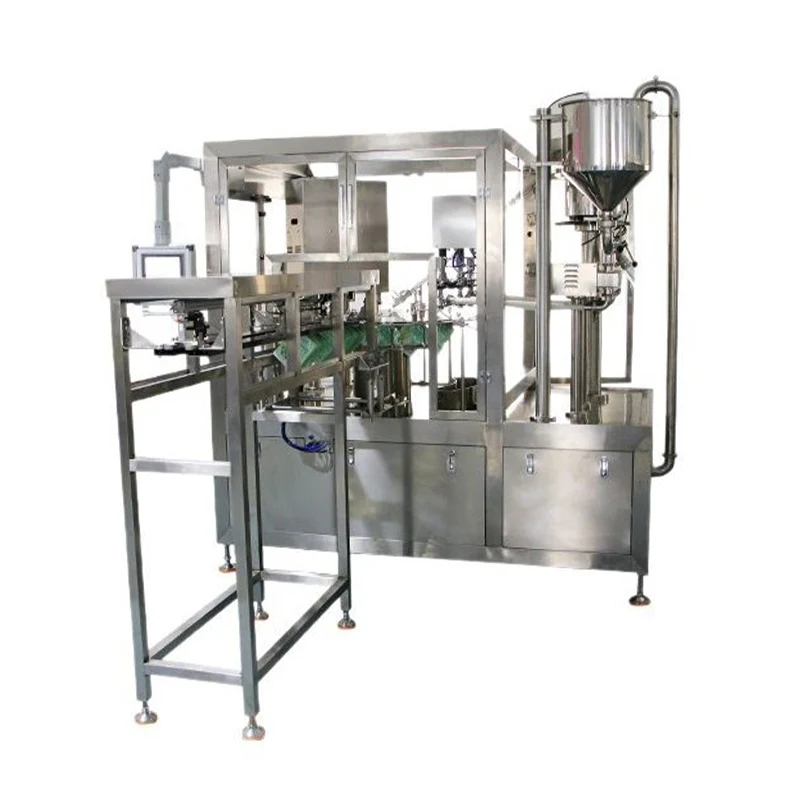
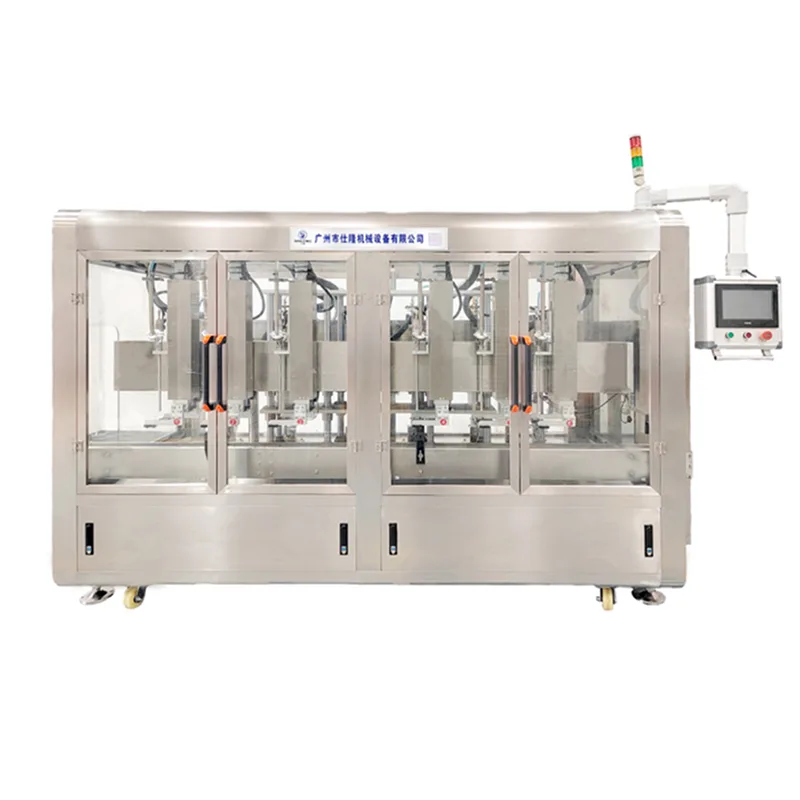
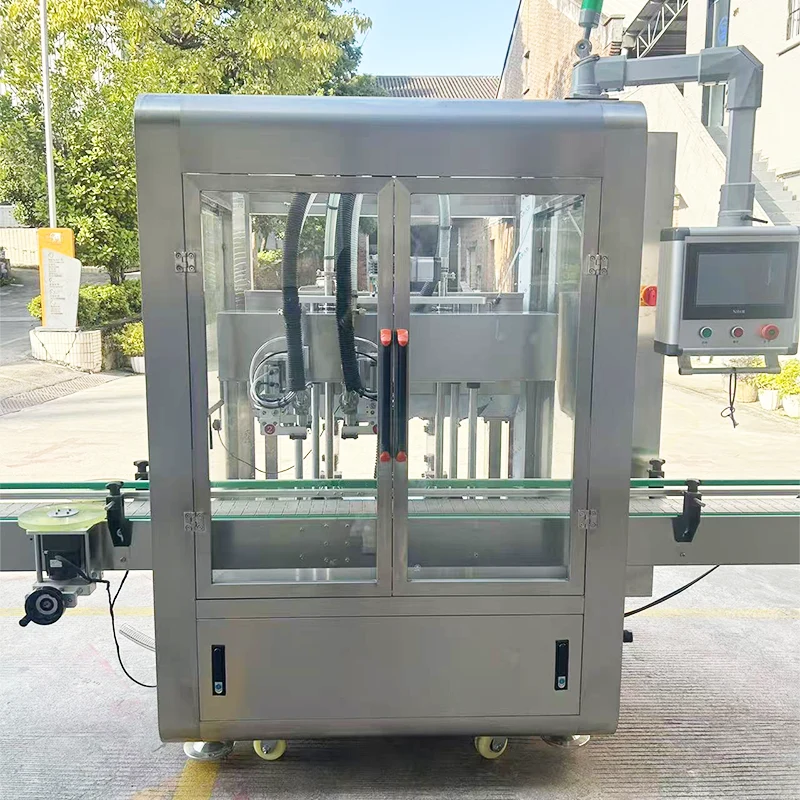
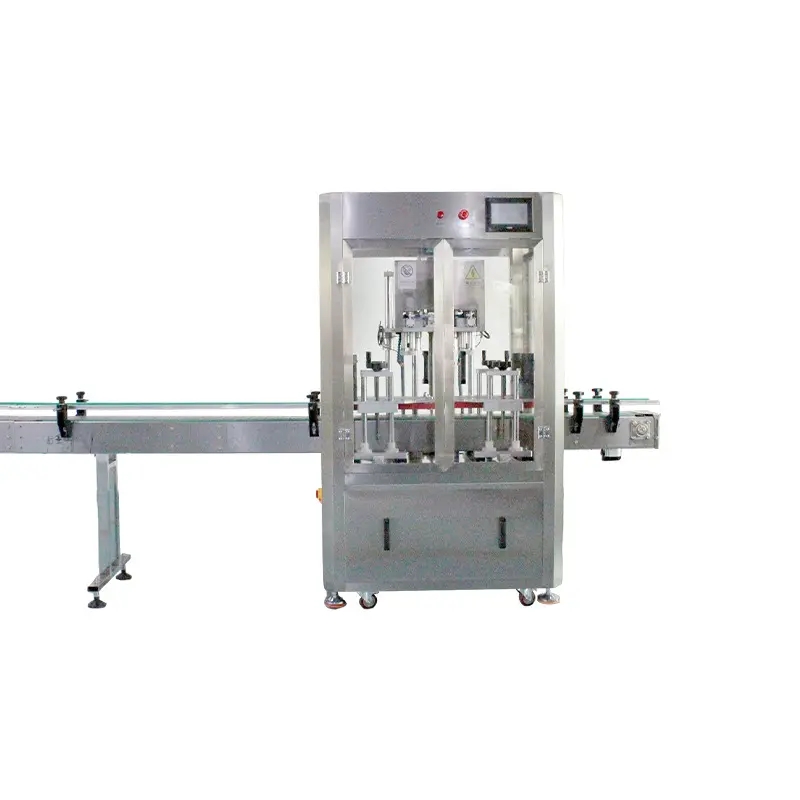
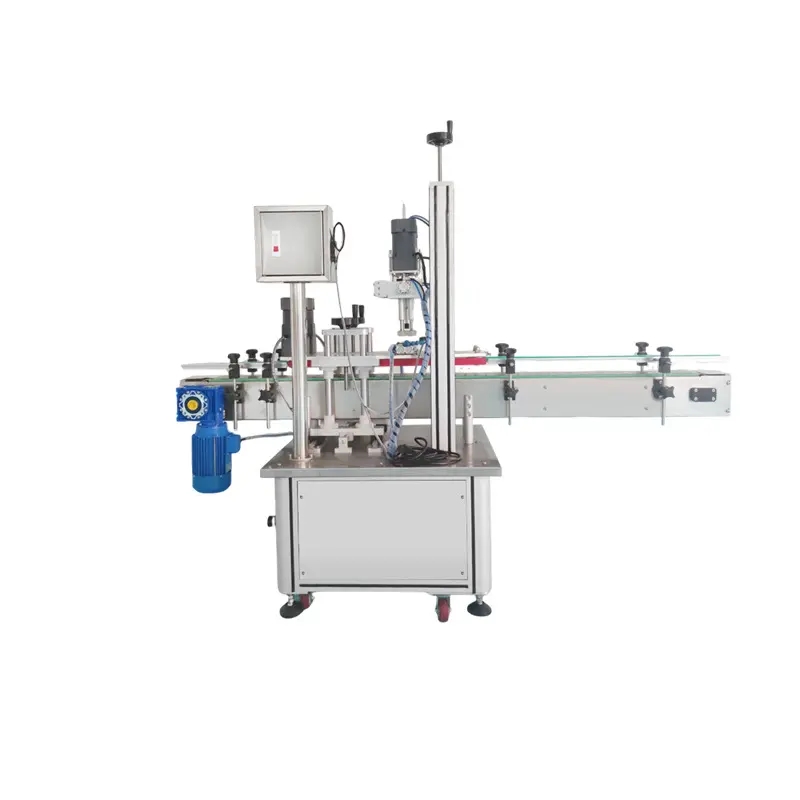
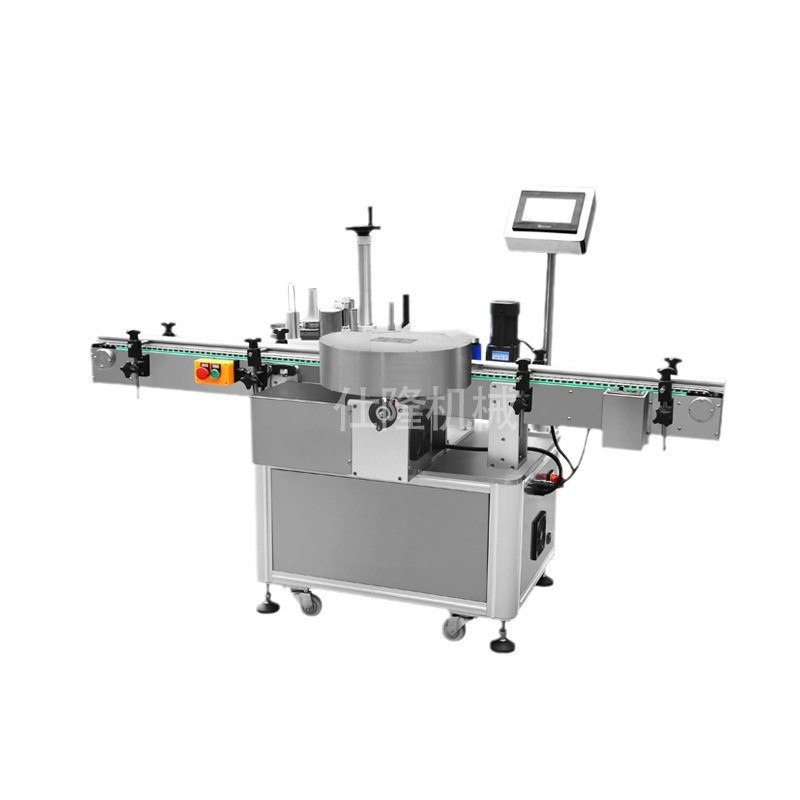
Single-head / double-head / multi-head, equipped with conveyor belt. It can form a complete production line matched with bottle sorting, capping and labeling machines.
⚠️ Pitfall reminder: If you frequently switch products, multi-head full-automatic machines will consume much time on cleaning and commissioning, reducing production efficiency instead.
Step 3: Select configurations as needed, avoid unnecessary optional add-ons
Select accessories according to material characteristics, only add required functions to control costs:
- Sauces with particles (beef sauce, scrub cream): U-type mixing hopper to prevent sediment and valve blockage
- Face cream, mask paste prone to stringing: Anti-drip & anti-string filling nozzle
- Paste easy to solidify in cold conditions (paraffin wax, hot melt paste): Constant temperature heating hopper
- Ointments, high-end cosmetics and corrosive materials: 316L stainless steel for material contact parts; 304 stainless steel is acceptable for common sauces and daily chemicals
- Flammable chemical paste: Explosion-proof electric control and explosion-proof motor
- Mask gel without bubbles in finished products: Add vacuum deaeration device
Step 4: Core Step — Send samples for trial filling
Trial test is a must! Many machines look identical in appearance, but have huge differences in adaptability to different pastes.
1. Prepare your material samples and send them to the China factory.
2. Request on-site trial filling and video recording from your supplier. Focus on checking the following points:
- Smooth discharging and no particle jamming on valves
- No dripping or stringing at bottle mouth after filling
- Stable filling weight during continuous filling of multiple bottles
Be cautious with the manufacturer who does not support sample testing. Problems such as inaccurate metering and valve blockage may easily occur after delivery.
Step 5: Verify hardware configuration to prevent downgraded low-cost supplies
Machines with the same appearance have large price gaps. Confirm the component list and put it into the contract:
1. Material contact parts: Confirm 304 or 316L stainless steel, and sealing material (PTFE / fluororubber).
2. Electric & pneumatic components: Brands of cylinder, servo motor, PLC and touch screen (Domestic: Inovance / Xinje; Imported: Panasonic, Siemens, etc.)
Low-cost machines usually adopt no-brand components. They can work in the short term but have high failure rates later.
Step 6: Verify quotation and after-sales terms, write all into the contract
1. Confirm what the quotation covers: Main machine, moulds, wooden package, freight, on-site installation & commissioning and training.
2. Clarify warranty period and quotation of wearing parts (sealing rings, pistons).
3. Confirm after-sales service: Free remote assistance? Response time for on-site maintenance.
4. For export orders: Confirm CE certificate, English manual and export wooden case packaging.
Step 7: Evaluate manufacturer strength
Prioritize the China manufacturer / factory available for site visits.
You can visit the factory to check workshop processing technology and factory trial test procedures.
Low-cost equipment from small workshops features thin sheet metal, no complete machine test and slow after-sales response.
As a professional manufacturer and factory from China, Guangzhou Shilong Machinery Equipment Co., Ltd. is a professional packaging machinery supplier integrating research, design, development and manufacturing. We are committed to introducing advanced technologies and integrating superior resources at home and abroad. With sophisticated equipment, rich experience and professional service, we provide customized packaging equipment for customers. Our equipment delivers high production efficiency. We own a complete system covering R&D, manufacturing, sales and after-sales service.
Our company specializes in the R&D and manufacturing of packaging machinery: bottle washing machines, capping machines, labeling machines, sleeve labeling machines, sealing machines, emulsifiers / mixing tanks, water treatment equipment and customized automatic & semi-automatic filling production lines, as well as other food and packaging equipment.
We adhere to the principle of quality guarantee, reputation priority and thoughtful service. We strive to provide customers with personalized products and all-round services.
We use cookies to offer you a better browsing experience, analyze site traffic and personalize content. By using this site, you agree to our use of cookies. Privacy Policy