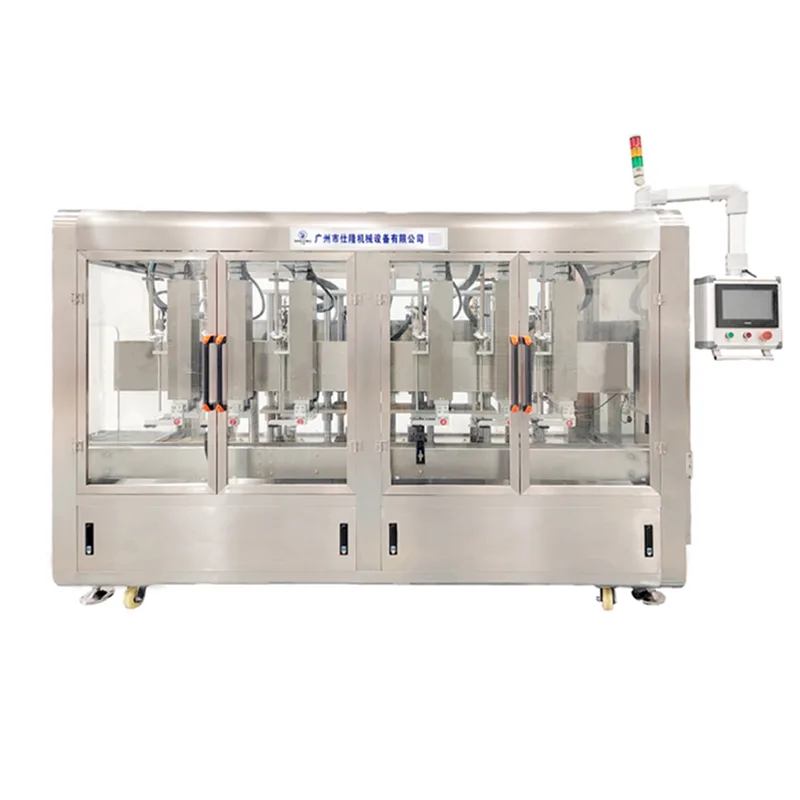
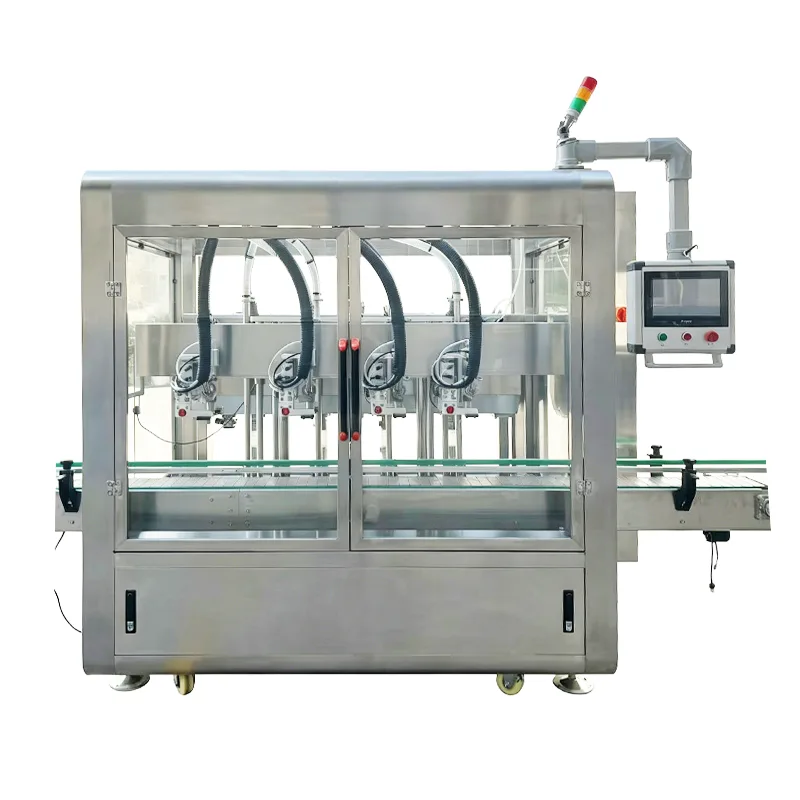
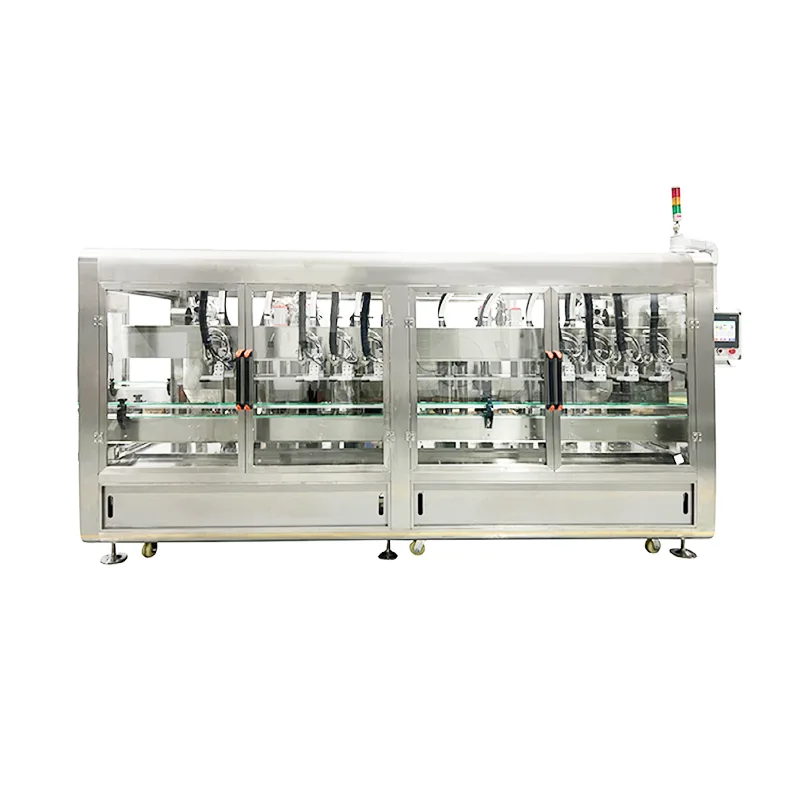
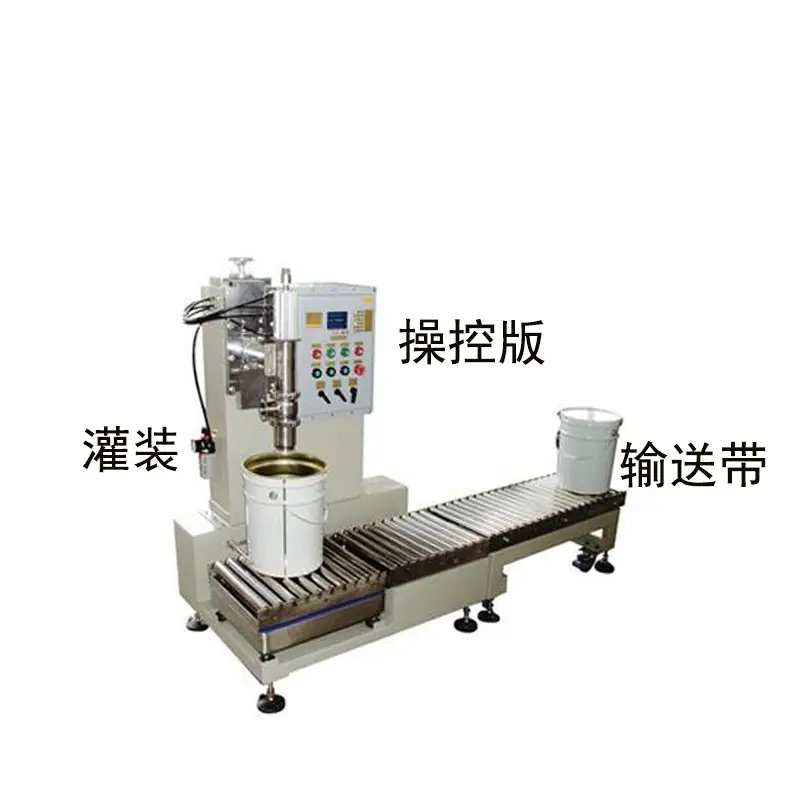
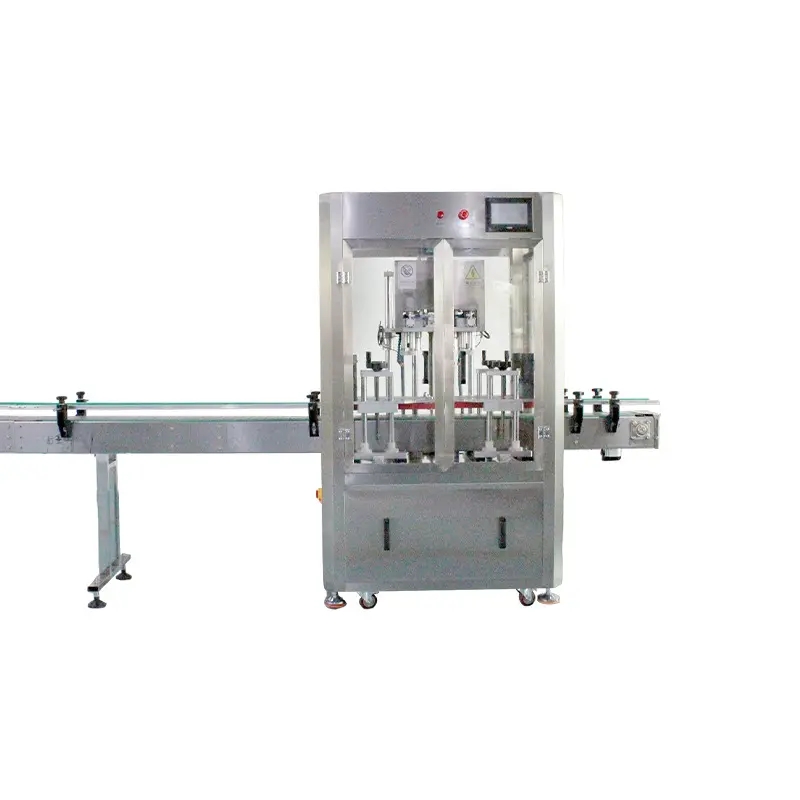
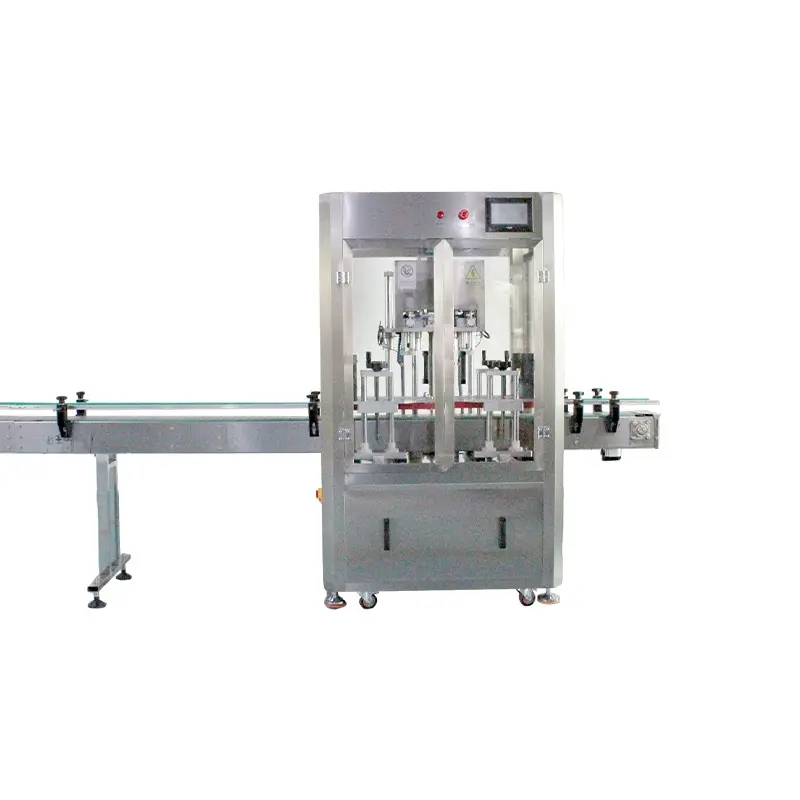
Comparison of Seal Materials for Dual-head Liquid Filling Machines
Seals on dual-head filling machines are mainly installed on filling pistons, valve seats and material cylinder inlets/outlets. They are reciprocating dynamic seals. Their core differences lie in five aspects: media resistance, temperature resistance, wear resistance, food compliance and cost.
1. NBR Nitrile Rubber (Buna-N)
Temperature range: -30~120℃
Advantages: Best cost performance, good wear resistance and mineral oil resistance, high mechanical strength, suitable for reciprocating piston sealing.
Disadvantages: Poor resistance to ketones, strong acids, strong alkalis and ozone; not resistant to long-term immersion in hot water. Food-grade versions are available but not suitable for high-temperature CIP cleaning.
Application: Filling of engine oil, lubricating oil, ordinary daily chemical oils and room-temperature clean water; general industrial dual-head liquid filling machines.
❌ Not suitable: Fruit juice, dairy products, high-temperature steam cleaning, strong solvents.
2. EPDM Ethylene Propylene Diene Monomer
Temperature range: -50~150℃, short-term steam resistance up to 180℃
Advantages: Resistant to water, hot water and steam, compatible with dilute acids & alkalis and CIP cleaning. Food-grade grade meets FDA requirements and has excellent aging resistance.
Disadvantages: Severe swelling and failure when contacting mineral oil and grease. Must not touch oil-based materials.
Application: Beverages, fruit juice, pure water, detergents, water-based cosmetics; dual-head filling machines requiring hot water/alkali in-place cleaning.
❌ Not suitable: Vegetable oil, mineral oil, oil-based creams and pastes.
3. VMQ Silicone Rubber
Temperature range: -60~200℃
Advantages: Non-toxic and odorless, food/medical grade, good high & low temperature resistance, great elasticity, no substance precipitation.
Disadvantages: Poor wear resistance and oil resistance. Easy to wear and tear under high-speed reciprocating piston movement; low mechanical strength, mostly used for static sealing or low-speed valve ports.
Application: Sauces, honey, dairy products, medical oral liquid (low-speed filling head sealing).
Advantages: Excellent resistance to oil, solvents, acids, alkalis and high temperature. First choice for oil-based and weakly corrosive materials with strong anti-aging performance.
Disadvantages: High cost; hydrolytic aging under prolonged high-temperature steam exposure; incompatible with acetone and some ketone solvents.
Application: Edible oil, essential oil, oil-containing pastes, some chemical liquids, heavy-duty anti-corrosion daily chemicals; piston seals for oil-type dual-head filling machines.
❌ Not suitable: Long-time CIP cleaning with steam above 120℃.
5. PTFE Polytetrafluoroethylene (Teflon, commonly used as spring energized seal)
Temperature range: -200~260℃
Advantages: Resistant to almost all chemical media, ultra-low friction coefficient, non-sticky to materials, no precipitation. Ideal for highly corrosive and high-viscosity materials.
Disadvantages: No inherent elasticity; usually made into spring energized seals with built-in springs. High cost, poor compression resistance and cannot withstand large compression.
Application: Strong acids & alkalis, solvent-based chemical liquids, high-viscosity sticky materials; dual-head filling machines for pharmaceutical and special chemical industries.
❌ Not recommended for ordinary clean water and common oil working conditions (low cost efficiency).
6. HNBR Hydrogenated Nitrile Butadiene Rubber
Temperature range: -40~150℃
Advantages: Upgraded version of NBR, better wear resistance, oil resistance and temperature resistance, good anti-aging property, suitable for high-pressure reciprocating movement.
Disadvantages: Higher price than NBR, not resistant to strong polar solvents.
Application: Pistons of dual-head filling machines for high-temperature oil and high-pressure working conditions.
Guangzhou Shilong Machinery Equipment Co., Ltd. is a professional packaging machinery manufacturer integrating research, design, development and production. We are committed to absorbing advanced technology and integrating superior resources. With reliable equipment, rich experience and professional service, we provide customized packaging machinery for customers. Our equipment features high production efficiency. We own a complete system covering R&D, manufacturing, sales and after-sales service.
Our company specializes in the R&D and manufacturing of packaging machinery, including bottle washing machines, capping machines, labeling machines, sleeve labeling machines, sealing machines, emulsifiers / mixing tanks, water treatment equipment, as well as customized automatic and semi-automatic filling production lines and other food & packaging equipment.
We adhere to the principle of quality priority, reputation focus and thoughtful service, and provide customers with personalized products and all-round services.
We use cookies to offer you a better browsing experience, analyze site traffic and personalize content. By using this site, you agree to our use of cookies. Privacy Policy