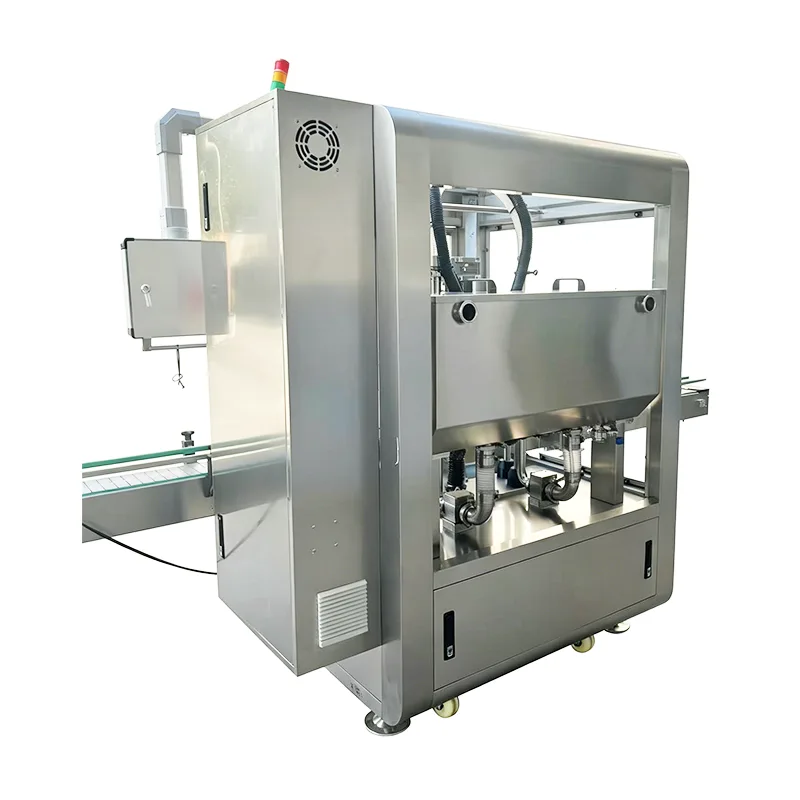
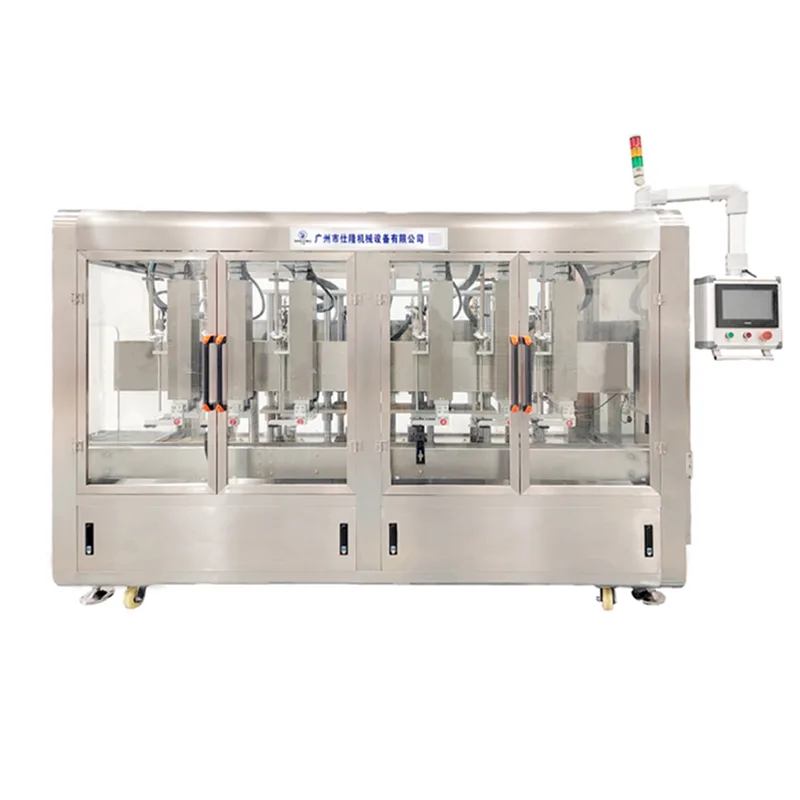
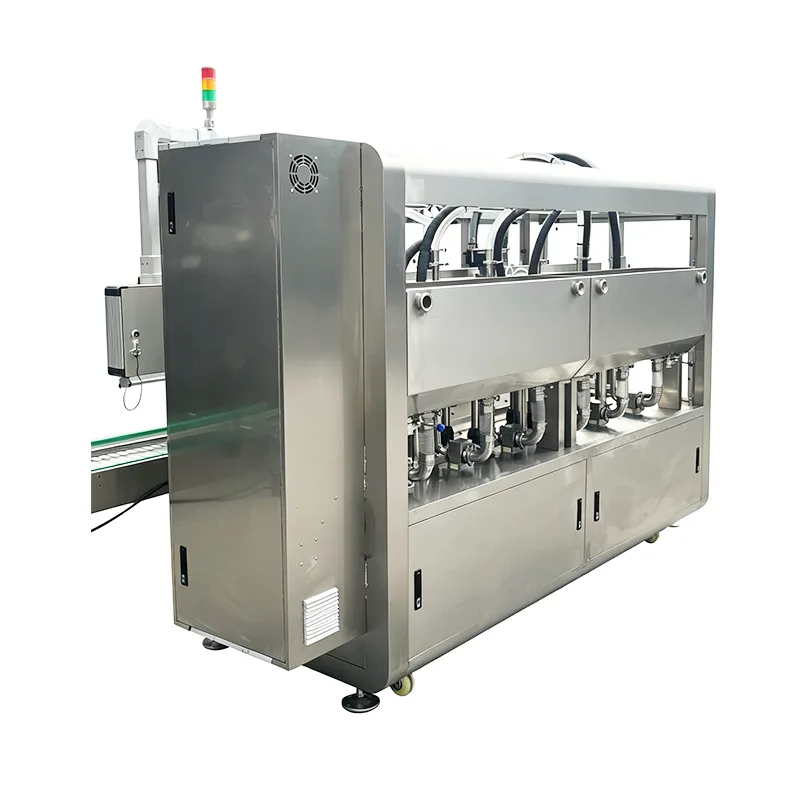
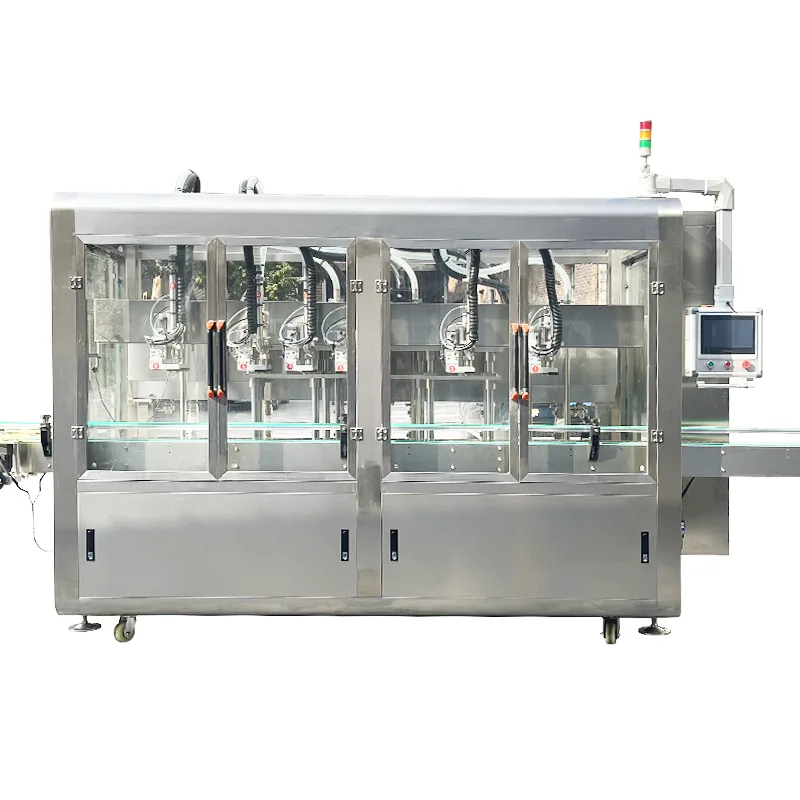
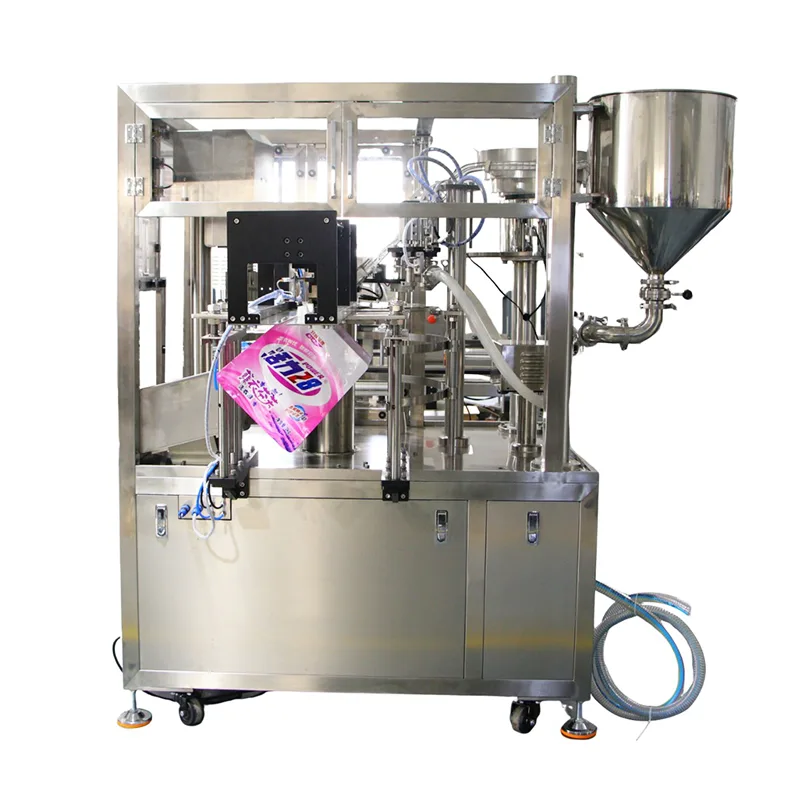
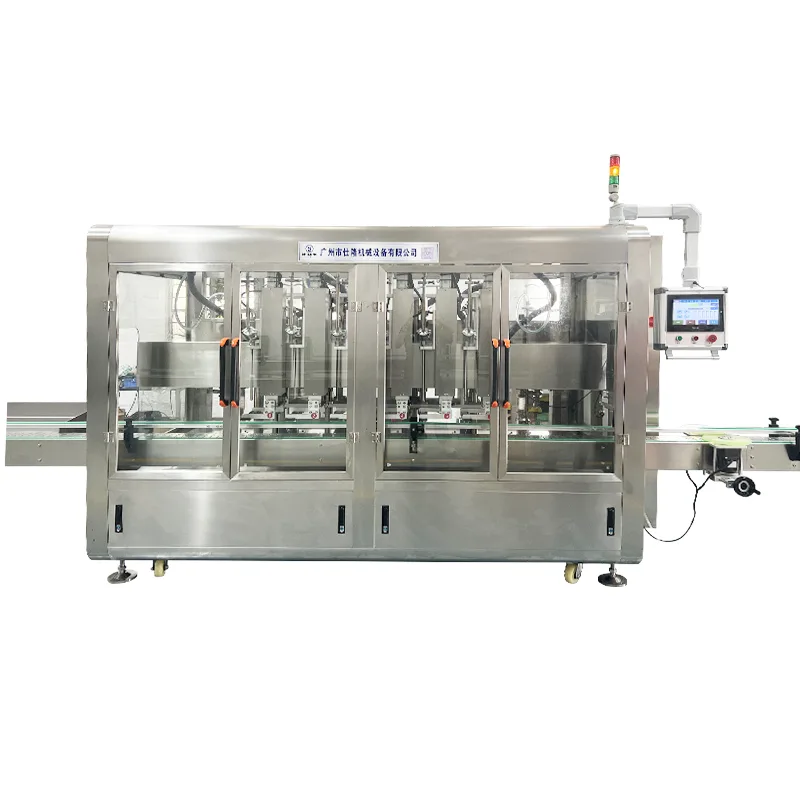
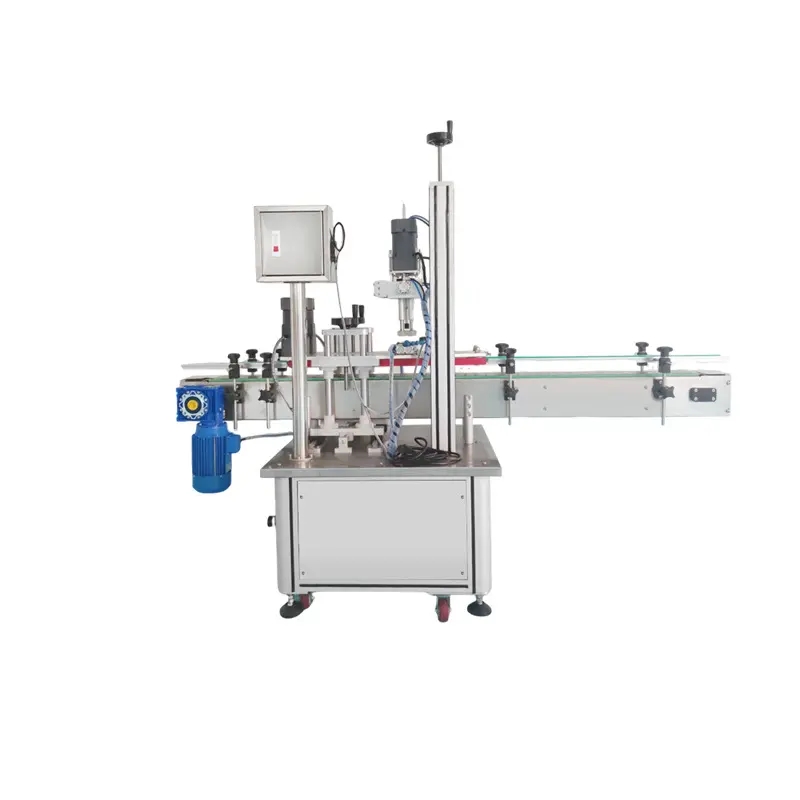
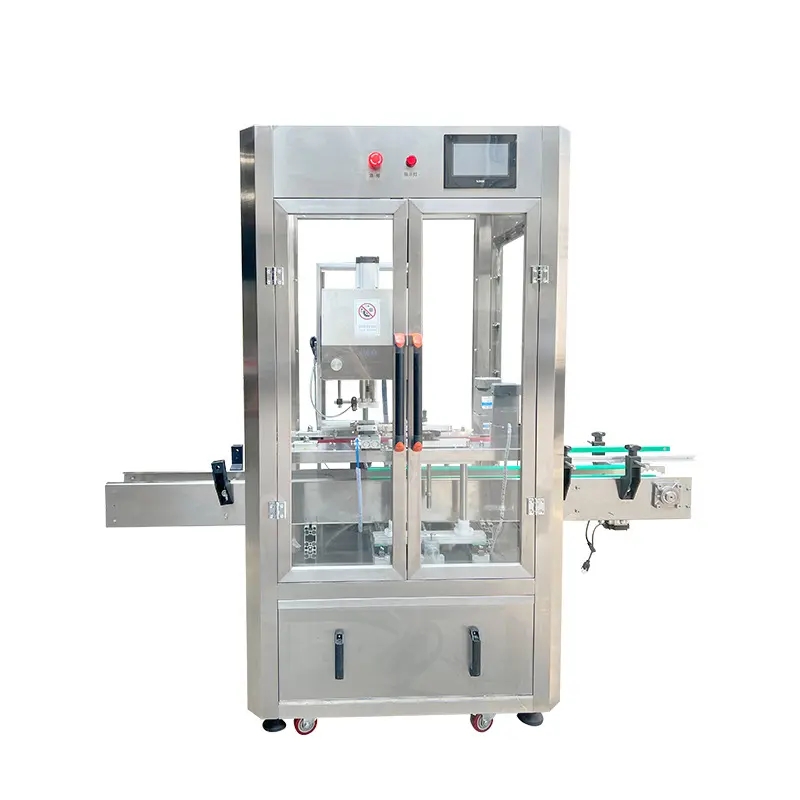
Common defects of damaged caps include stripped cap threads, cracked cap tops, chipped cap edges, broken tamper-evident rings and worn internal threads. There are mainly four categories of causes: excessive torque, misalignment, inherent defects of bottle/cap raw materials, and improper material/high pressing force of the capping head.
I. Troubleshooting for Root Causes
1. Excessive Torque Setting (Most Common)
Symptoms: Cap threads are worn flat directly; tamper-evident rings are forcibly broken, and continuous cap damage occurs within the same batch.
Servo magnetic capping machine: The torque parameter is set too high and exceeds the designed load limit of bottle caps.
Roller capping machine: High roller pressure and excessive roller speed cause over-friction and wear out the cap threads.
2. Misalignment between capping head and bottle mouth (Offset Capping, Frequent Cause)
Symptoms: Severe thread wear on one side of caps and oblique cracking; damage mostly appears on one side.
Loose bottle clamping mechanism leads to left-right shaking of bottles during capping.
Offset height and horizontal position of the capping head, resulting in eccentricity when the capping head descends.
Worn bottle stoppers and positioning grooves cause inaccurate bottle positioning; the bottle mouth deviates from the center of the capping head.
Offset capping is equivalent to screwing at an angle, which easily breaks cap threads.
3. Defects of Capping Head / Capping Rollers
Symptoms: Scratched or cracked cap surface, thread damage after slipping.
Hard silicone capping head generates heavy impact force while pressing and cracks caps. Worn or notched silicone heads result in uneven stress distribution.
Aged and hardened rubber capping rollers with burrs produce excessive friction and damage caps instantly.
Excessive downward pressure of the capping head crushes caps, and the threads will be sheared when rotating for capping.
4. Defective Raw Materials (Bottles & Caps)
Often overlooked: Machine parameters are normal while the packaging material itself is faulty.
1. Bottle caps: Brittle cap material (recycled material), large thread dimensional tolerance, insufficient strength of tamper-evident rings.
3. Improper pre-capping: Crooked caps enter the capping station and crack immediately once screwed.
5. Other Secondary Factors
High capping speed: Strong impact during high-speed capping easily cracks brittle plastic caps.
Unstable bottle clamping: Slight rotation of bottles relative to the capping head causes slipping and thread abrasion.
Vacuum capping machine: Excessive vacuum pulls the cap. Combined with high torque, the tamper ring will break.
II. Quick On-site Solutions (Operate in Sequence)
Before operation: Stop the machine, cut off power and release air pressure! Test with a small number of samples before mass production.
1. Reduce Torque / Roller Pressure
Servo capper: Gradually lower torque value to obtain the minimum torque for leak-tight sealing. Do not over-tighten.
Roller capper: Widen roller gap, reduce roller clamping force and lower roller speed.
2. Correct Coaxiality
Load empty bottles, jog the capping head downward manually to check vertical alignment with bottle mouths. Adjust bottle positioning blocks and X/Y coordinates of capping heads to ensure coaxiality.
3. Inspect Capping Components
Silicone heads: Replace with softer silicone heads; directly replace damaged or notched ones.
Capping rollers: Replace hardened or burr-covered rubber rollers.
Reduce downward stroke and pressure of capping heads. Avoid hard pressing on caps.
4. Inspect Capping Feeding Station
Check whether caps are properly seated on bottle mouths. Burrs on cap sorting disks and feeding tracks lead to tilted caps. Polish tracks and adjust vibration amplitude of sorting disks to prevent crooked caps entering the capping station.
5. Sampling Inspection of Packaging Materials
Manually screw a batch of caps. If caps break easily even by hand, the problem comes from cap mold or raw material. Contact your packaging supplier.
6. Lower capping speed (priority for brittle caps), extend torque holding time to achieve gentle tightening and reduce impact.
III. Long-term Preventive Measures (Daily Production Control)
1. Establish Torque Process Window
Conduct torque test before launching new bottles and caps: identify the minimum torque for leak sealing and maximum torque without cap damage. Lock parameters within the safe middle range and save recipes. Test samples first when switching batches.
2. Regular Maintenance
Regularly inspect the wear of clamping belts and positioning stoppers and replace worn parts timely.
Calibrate torque periodically (monthly calibration for servo models).
Check wear of silicone capping heads and capping rollers regularly.
3. Optional Pre-detection (Production Line Upgrade)
Install photoelectric / vision inspection for tilted caps to reject defective caps in advance and avoid cracked caps at source.
4. Sample Test Mandatory for Product Changeover
When switching bottle types or cap batches, test 10~20 samples before mass production. Re-verify parameters once packaging suppliers change molds or raw materials.
Guangzhou Shilong Machinery Equipment Co., Ltd. is a professional packaging machinery manufacturer integrating research, design, development and manufacturing. We are committed to introducing advanced technologies and integrating superior resources at home and abroad. With sophisticated equipment, rich experience and professional service, we provide customized packaging equipment for customers. We own a complete system covering R&D, manufacturing, sales and after-sales service for high-efficiency production equipment.
Our company specializes in R&D and manufacturing of packaging machinery: bottle washing machines, capping machines, labeling machines, sleeve labeling machines, sealing machines, emulsifiers / mixing tanks, water treatment systems, as well as customized full-automatic and semi-automatic filling production lines and other food & packaging equipment.
Adhering to quality assurance and reputation-first principle, our company wholeheartedly provides personalized products and all-round services for customers.
We use cookies to offer you a better browsing experience, analyze site traffic and personalize content. By using this site, you agree to our use of cookies. Privacy Policy