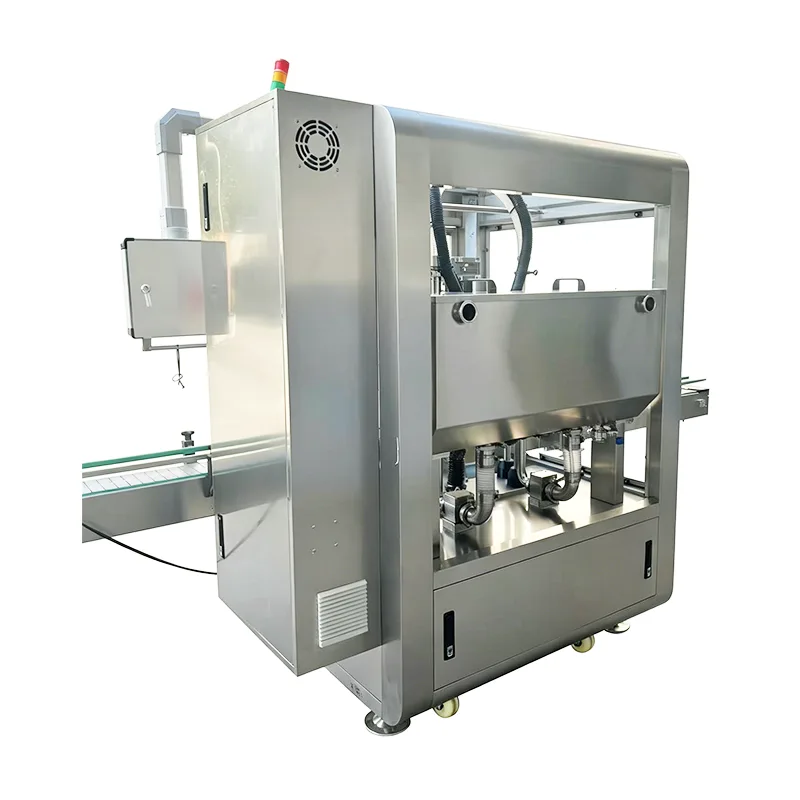
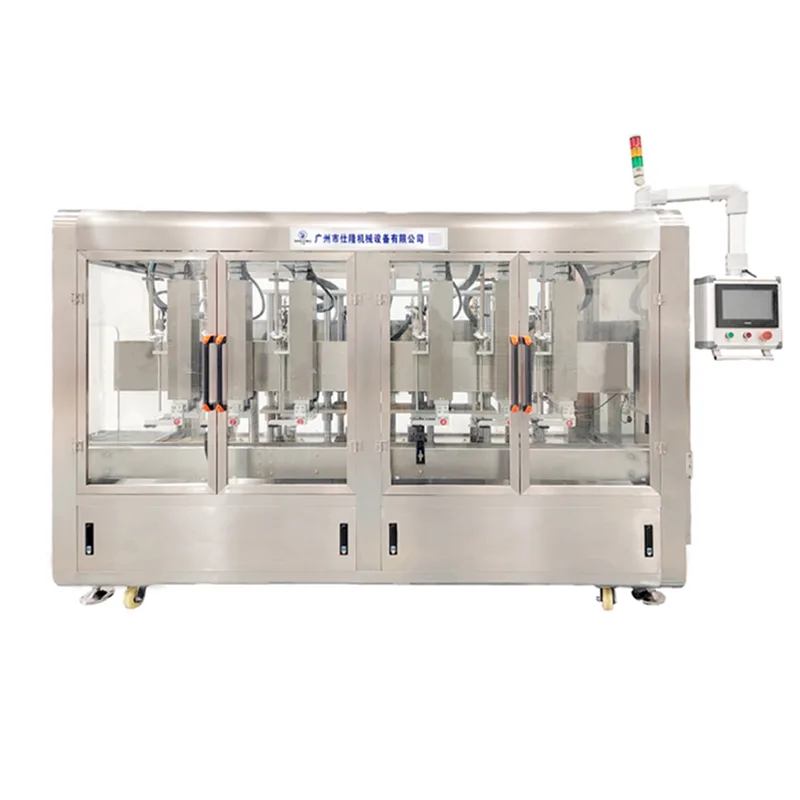
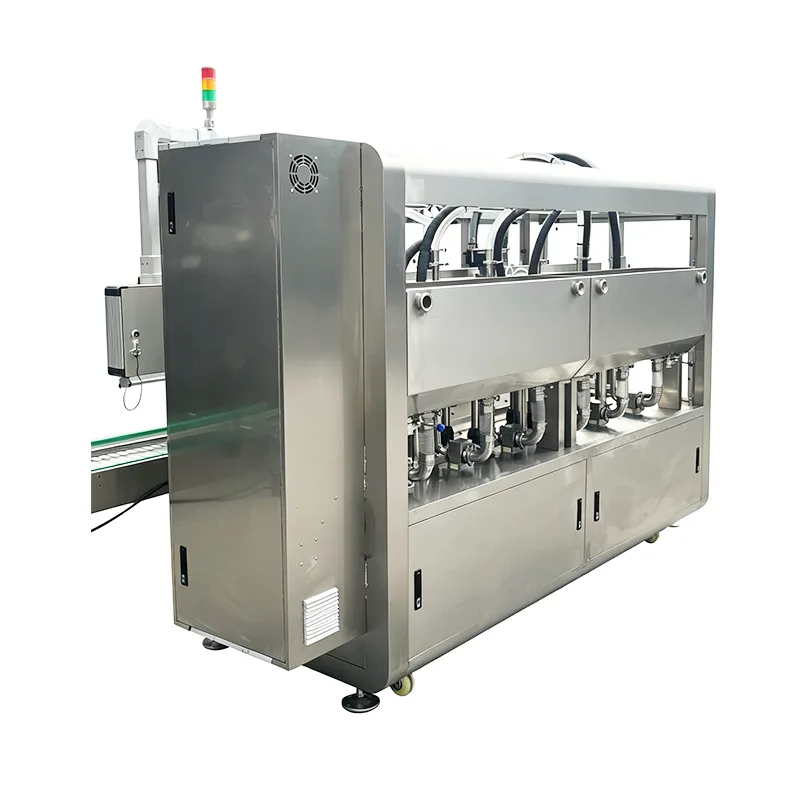
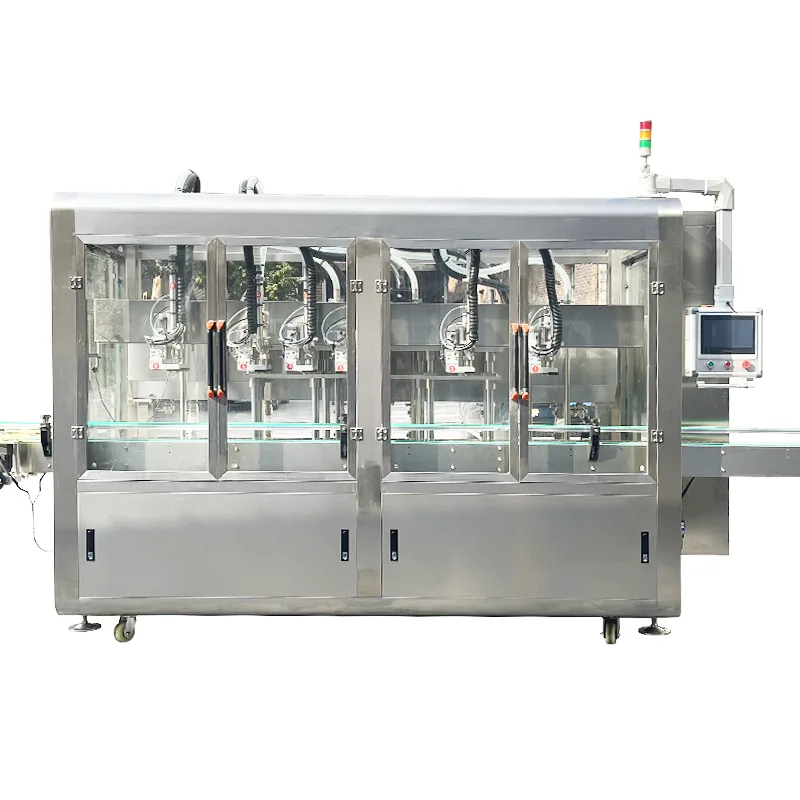
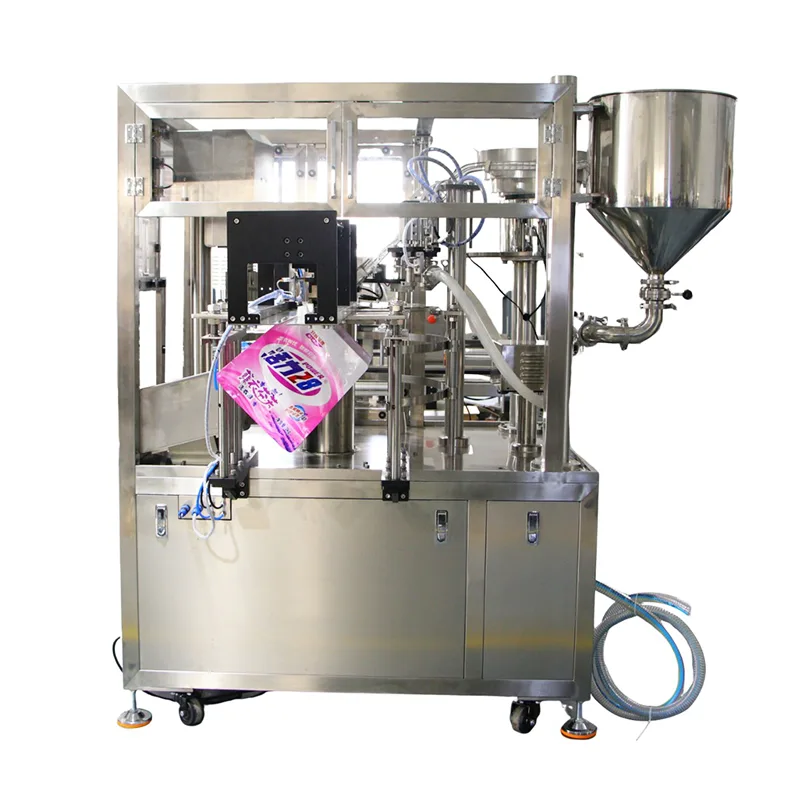
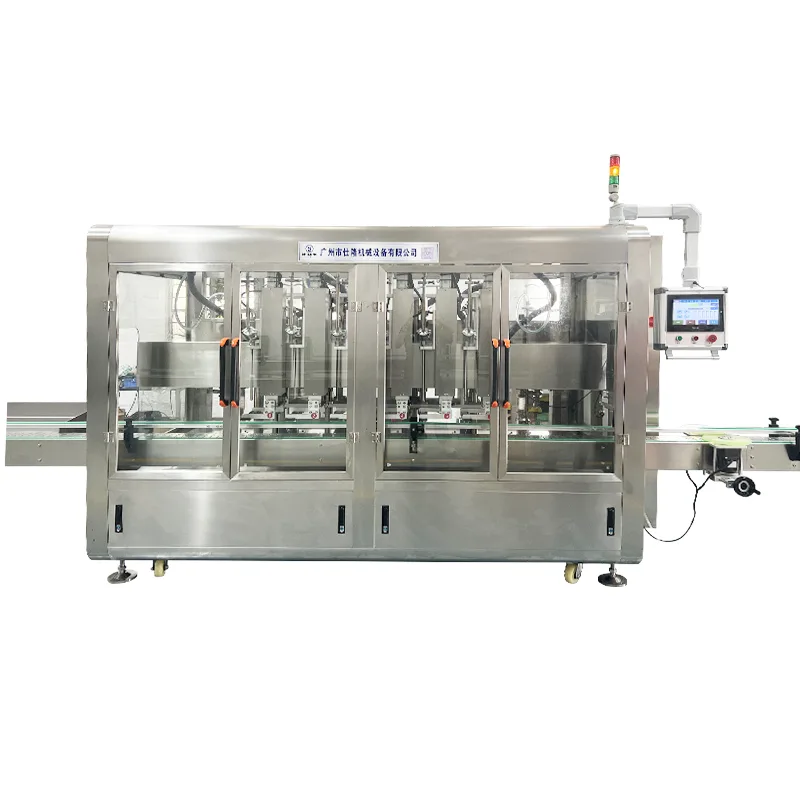
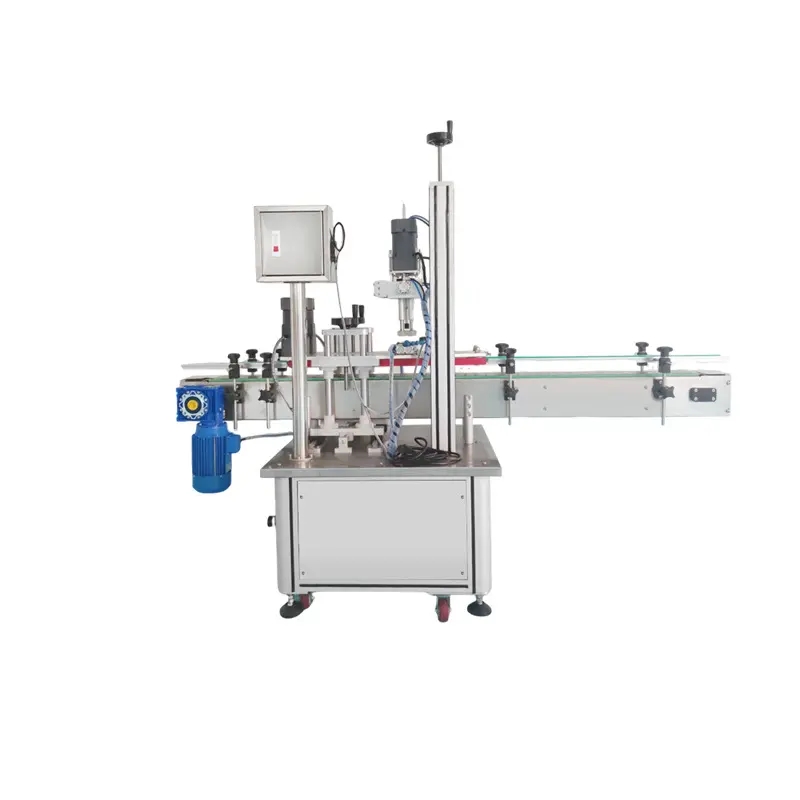
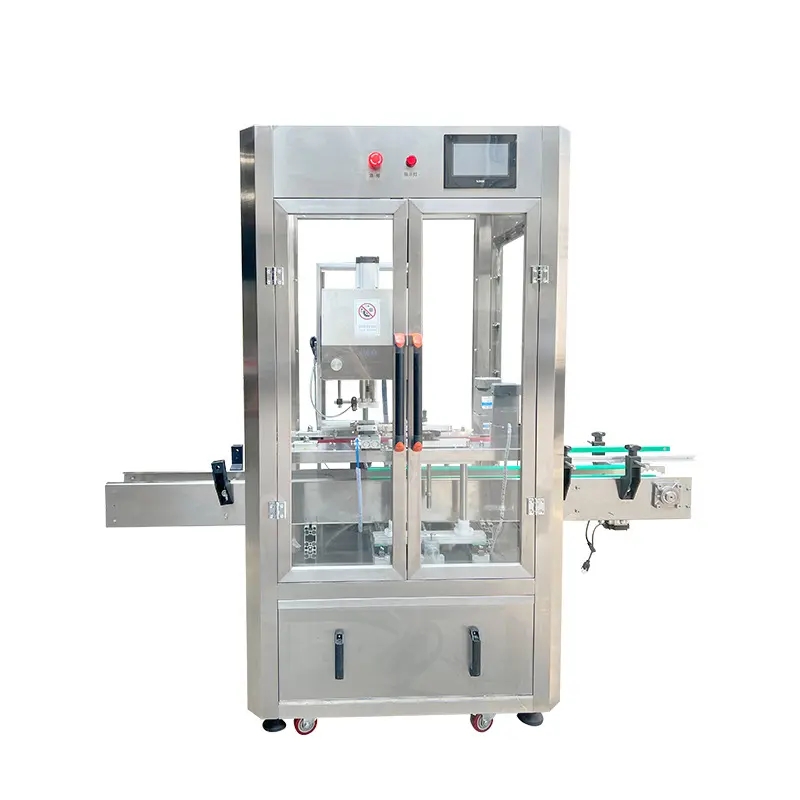
As a professional manufacturer and factory from China, the core of selecting an automatic capping machine is matching your production conditions, meeting capacity requirements, and ensuring capping precision and stability. Meanwhile, take versatility, failure rate and long-term maintenance costs into consideration. There are many types of machines on the market with widely varying parameters. Blind procurement may lead to common issues such as cap jamming, inconsistent tightening torque, liquid leakage and poor compatibility. Below is a multi-dimensional selection guide covering pitfalls for beginners, mass production adaptation and long-term operation needs.
I. Define Your Production Conditions First to Narrow Down Options
Instead of checking machine parameters at the very beginning, sort out your production requirements to fundamentally avoid mismatched equipment.
1. Confirm cap specifications and materials
Accurately collect key dimensions of bottles and caps: maximum/minimum bottle diameter & height, maximum/minimum cap diameter & thickness. Standard automatic capping machines supplied by our factory are generally compatible with caps of 2–7 cm in diameter. Custom machines are available for special shaped caps, extra-large or extra-small caps.
Material compatibility also matters: plastic caps, threaded caps, tinplate caps, aluminum caps and tamper-evident caps demand completely different capping torque and rubbing force. Hard metal caps require servo machines with high torque; thin soft plastic caps need flexible force control structures to prevent crushing or cracking.
2. Clarify production requirements
Distinguish between normal atmospheric capping and vacuum capping. Vacuum capping machines with precise vacuum control are mandatory for sauces, canned food, beverages and other products requiring sealed preservation and resistance to bottle expansion and leakage. Conventional atmospheric capping machines deliver better cost performance for daily chemicals and general bottled products.
Also confirm if explosion-proof, dust-proof or waterproof configurations are needed to meet workshop standards for food, pharmaceutical or chemical industries.
II. Select Machine Structure Based on Production Capacity
Machines with different structures differ greatly in output, stability and applicable scenarios. Choose according to daily output and production line rhythm. Three mainstream types are available from our China factory:
It operates with alternating dual stations. Featuring simple structure, affordable price and small footprint, it suits medium & low capacity, standalone operation and small-batch frequent product changeover.
Limitations: limited throughput, slightly tedious mold change and adjustment, mediocre stability under high-speed mass production. Suitable for small factories and startups, hourly output below 1000 bottles.
Mechanical cap picking and placement delivers excellent capping stability, with a pass rate over 99.5% for standard caps. Equipped with servo motors for precise torque control, it is easy to adjust and compatible with most regular round bottles and standard threaded caps. Low failure rate makes it the mainstream choice for medium & small-scale mass production.
Limitations: weak adaptability to irregular bottles and special caps; lower high-speed output compared with tracking capping machines.
3. Tracking Capping Machine (High-Speed Mass Production Flagship Model)
Its core advantage is non-stop production. The capping head moves synchronously with conveyed bottles to complete cap feeding and capping on the fly without positioning waiting time, greatly boosting capacity to over 2000 bottles per hour.
Ideal for large factories with high-volume assembly lines and integrated production lines. It delivers uniform torque and reliable sealing to eliminate bottle expansion and liquid leakage. Drawback: higher equipment cost for large-scale manufacturers.
III. Control Core Performance to Reduce Defective Product
Equipment performance directly determines finished product yield. Focus on three key indicators: torque control, cap feeding stability and detection functions.
1. Precise Servo Torque Control (Top Priority)
Prioritize fully servo-driven machines instead of traditional pneumatic or mechanically fixed torque models. Servo machines allow accurate torque adjustment via touchscreen (typically adjustable from 0.5–3 N·m), matching tightening force for different caps. It ensures uniform tightness across batches, preventing leakage from insufficient torque and cap damage or thread slipping caused by over-tightening.
2. Anti-Jam Cap Feeding Structure
Cap jamming and upside-down caps are frequent faults. Magnetic belt cap sorting & feeding structures are recommended. It automatically identifies cap orientation, pre-sets caps accurately without scratching cap surfaces and ensures smooth feeding. For mass production, dual-tray alternating feeding models can fully solve insufficient feeding, cap jamming and missing caps for uninterrupted operation.
3. Intelligent Detection & Alarm System
High-quality automatic machines from our supplier come with built-in intelligent detection systems to identify missing caps, incomplete capping, thread slipping and crooked caps. It supports alarm-triggered shutdown, defective product rejection and data recording. Full-time manual monitoring is not required, greatly cutting defective outflow and supporting standardized production management.
IV. Prioritize Versatility & Easy Adjustment for Multi-Specification Production
Most manufacturers need frequent product changeovers. Machine versatility directly affects production efficiency and equipment utilization.
Choose modular adjustable designs: rubbing wheel spacing, conveying speed, capping height and torque parameters can be adjusted independently. Switching between bottles and caps does not require complicated mold disassembly; one-click parameter recall enables fast changeover.
Footprint should also be considered. Compact models occupying only about 1 ㎡ are available for small workshops to save floor space. Avoid highly customized machines with poor versatility, as adding new specifications later will incur expensive modification.
V. Check Material & Workmanship for Durability
Material determines service life and workshop compatibility, especially for food and pharmaceutical industries with strict hygiene requirements. The machine frame and parts contacting caps must adopt **304 stainless steel**, which is corrosion-resistant, easy to clean, free of sanitary dead corners and resists rust and debris shedding over long-term use.
Well-known brands are preferred for core components including transmission parts, motors and bearings to guarantee stability and reduce downtime. Low-cost inferior machines often suffer from frequent breakdowns and disrupt production.
VI. After-Sales Service & Maintenance Cost — Key to Avoid Long-Term Risks
1. Source manufacturer from China is recommended. As a reliable factory and supplier, we support minor customized adjustments, stable lead time, complete spare parts and fast after-sales response, avoiding markup and service evasion from middlemen.
2. Check operation complexity. Touchscreen visual operation with parameter memory is recommended for easy operation by new operators without professional technicians.
3. Evaluate daily maintenance cost. Select models with simple structure, easy disassembly & cleaning and universal spare parts to cut later maintenance fees and downtime.
Guangzhou Shilong Machinery Equipment Co., Ltd. is a professional packaging machinery manufacturer and reliable supplier located in China. As a factory integrating research, design, development and manufacturing, we absorb advanced technologies and integrate superior resources, supplying custom packaging equipment with sophisticated machinery, rich experience and professional services. We have a complete system covering R&D, manufacturing, sales and after-sales service for high-efficiency production.
Our factory specializes in the R&D and production of packaging machinery, including bottle washing machines, capping machines, labeling machines, sleeve labeling machines, sealing machines, emulsifiers / mixing tanks, water treatment equipment, and custom automatic & semi-automatic filling production lines, as well as other food and packaging equipment. Adhering to quality assurance and high reputation, this trusted manufacturer from China consistently provides personalized products and all-round services for global customers.
We use cookies to offer you a better browsing experience, analyze site traffic and personalize content. By using this site, you agree to our use of cookies. Privacy Policy