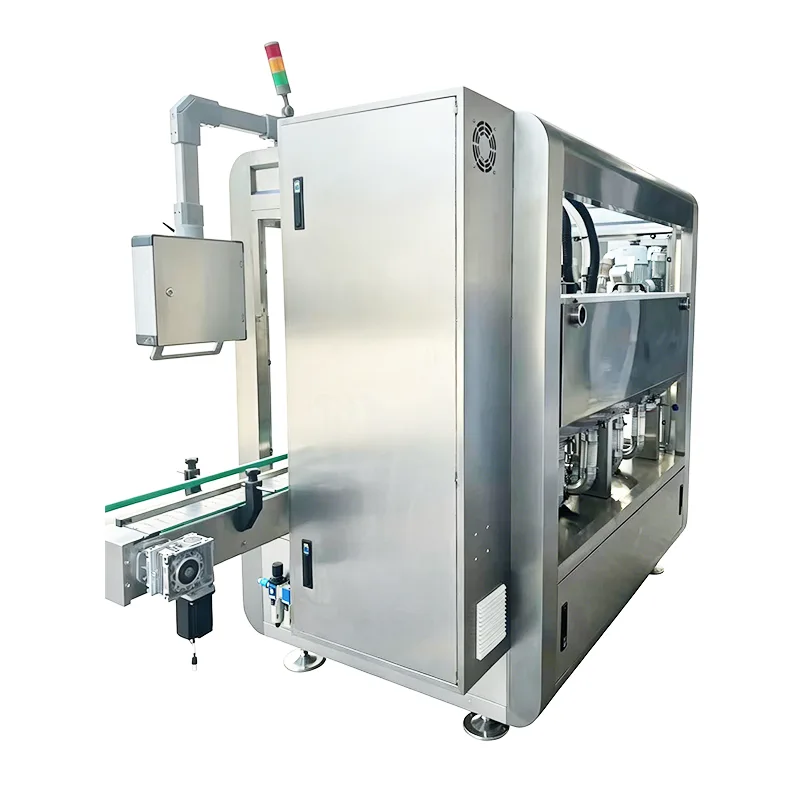
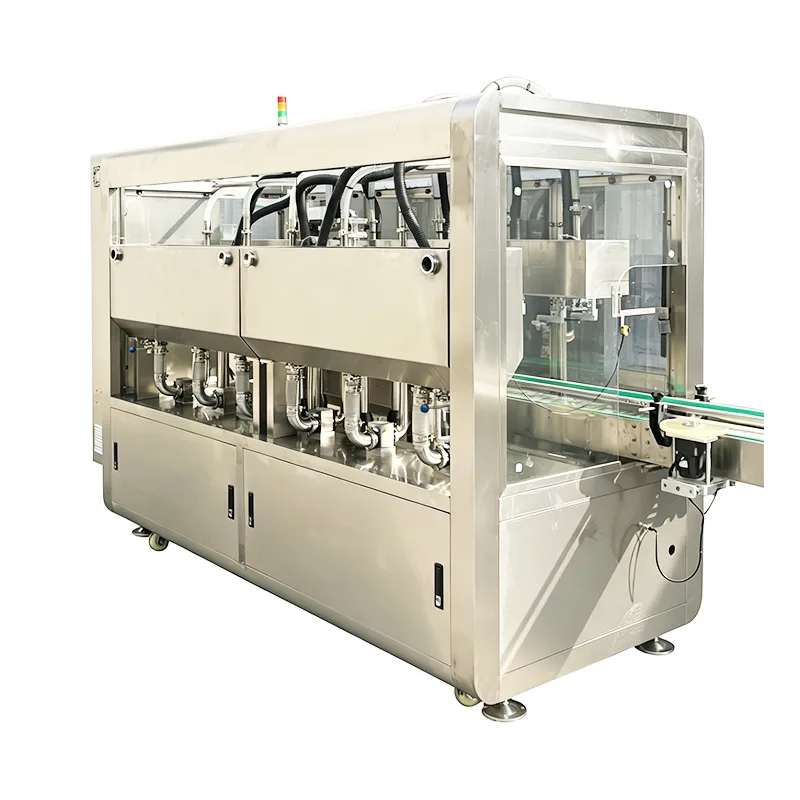
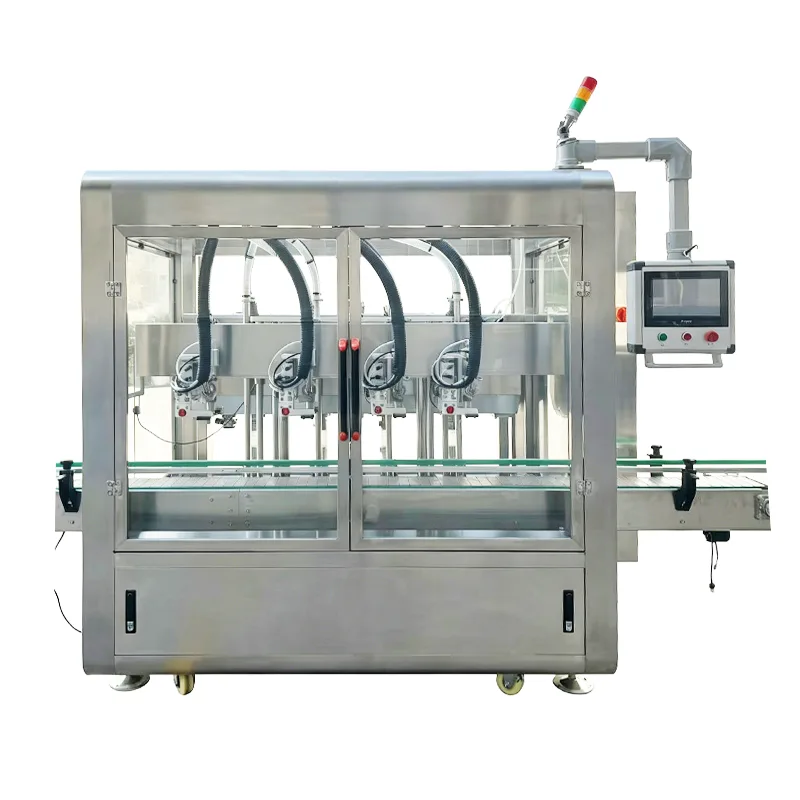
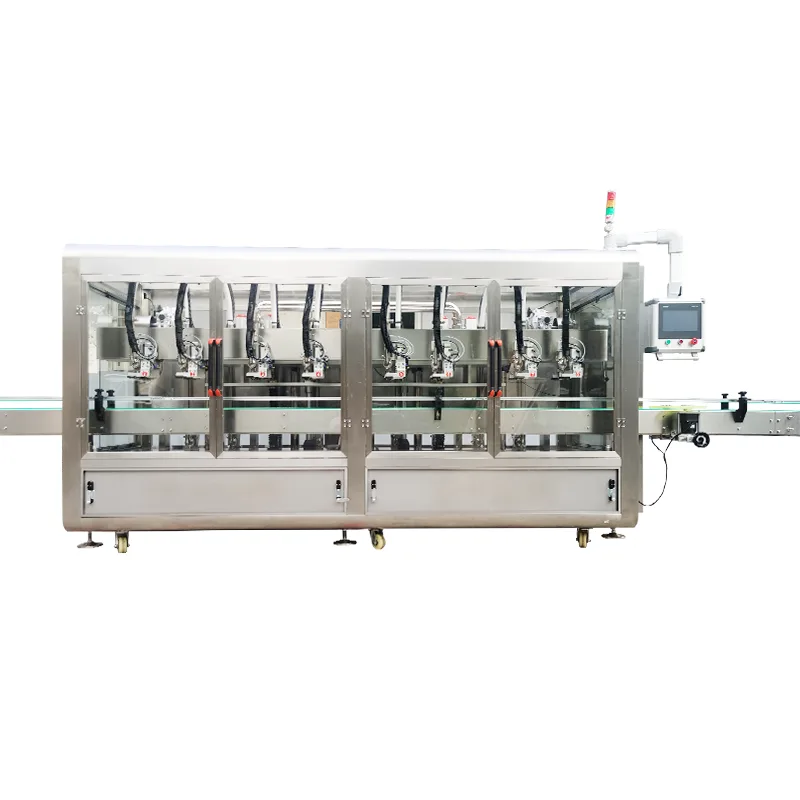
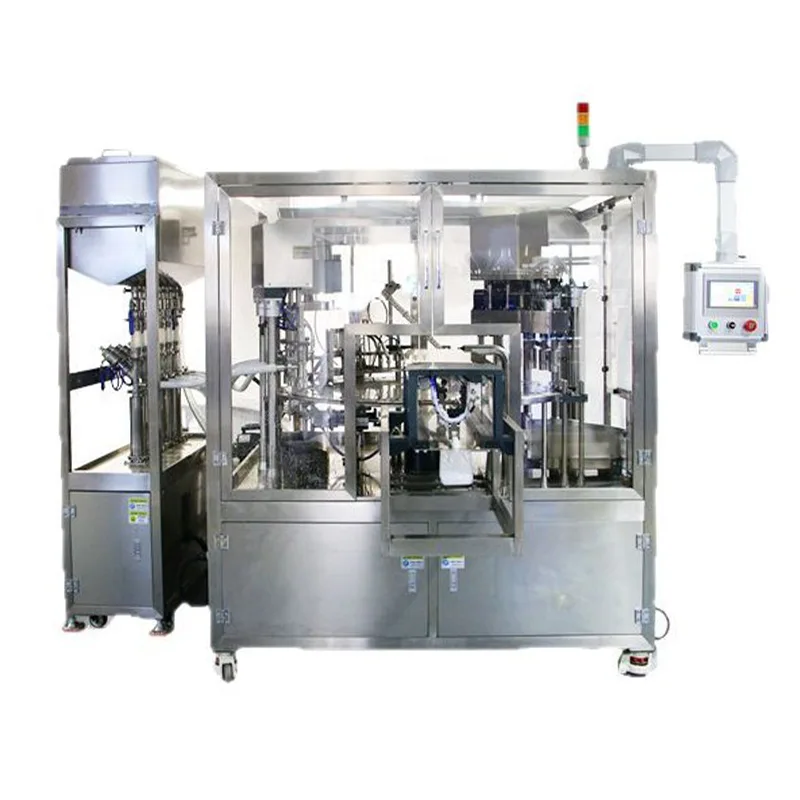
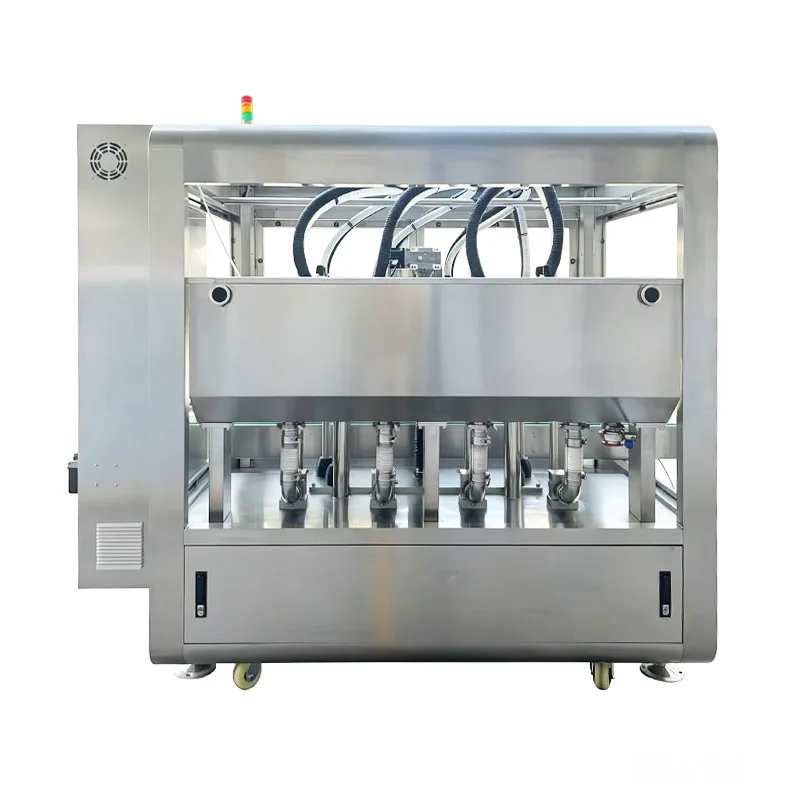
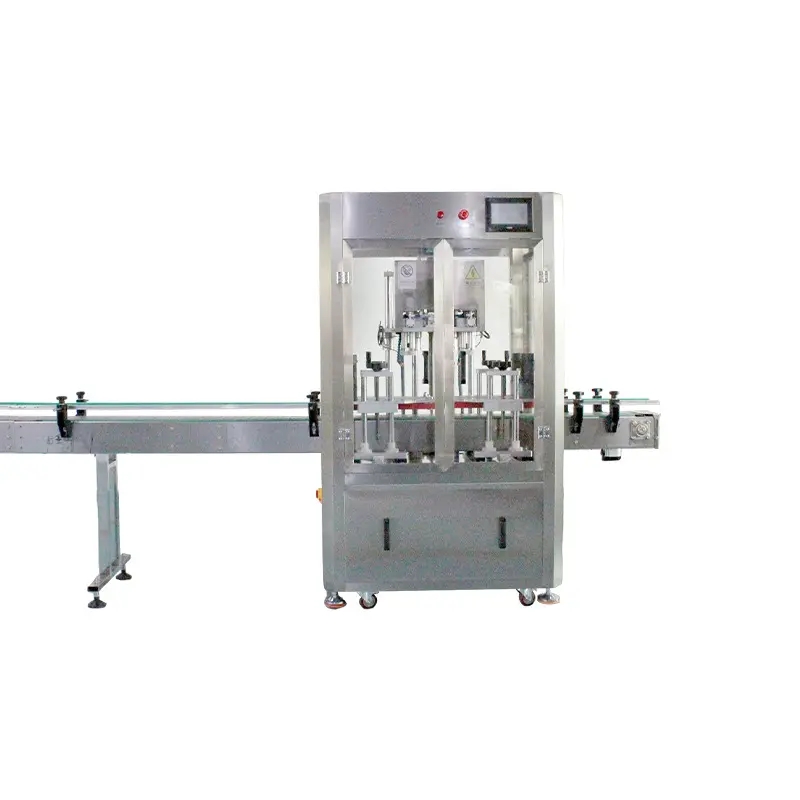
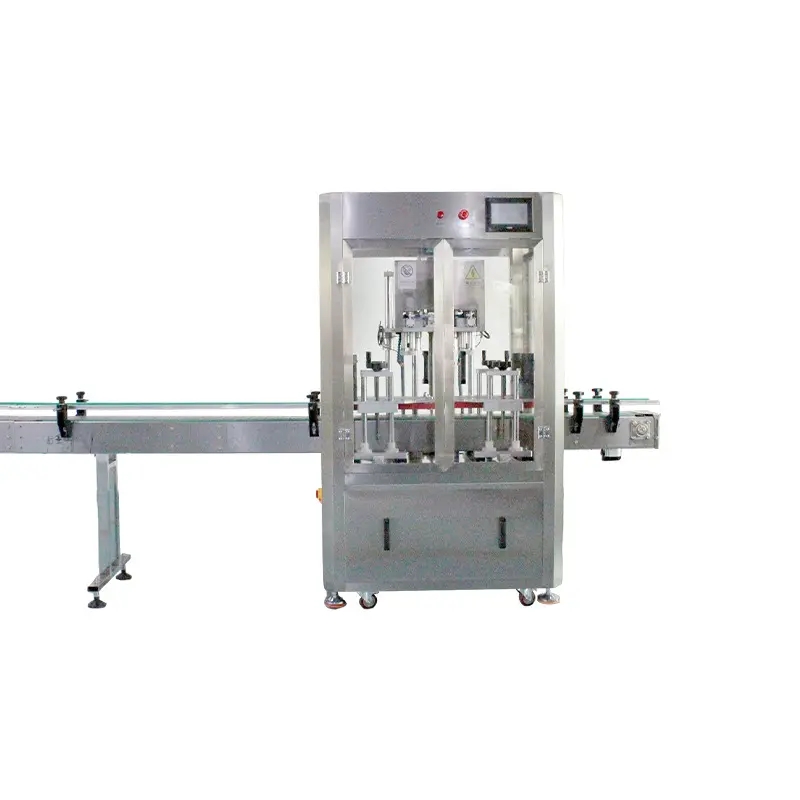
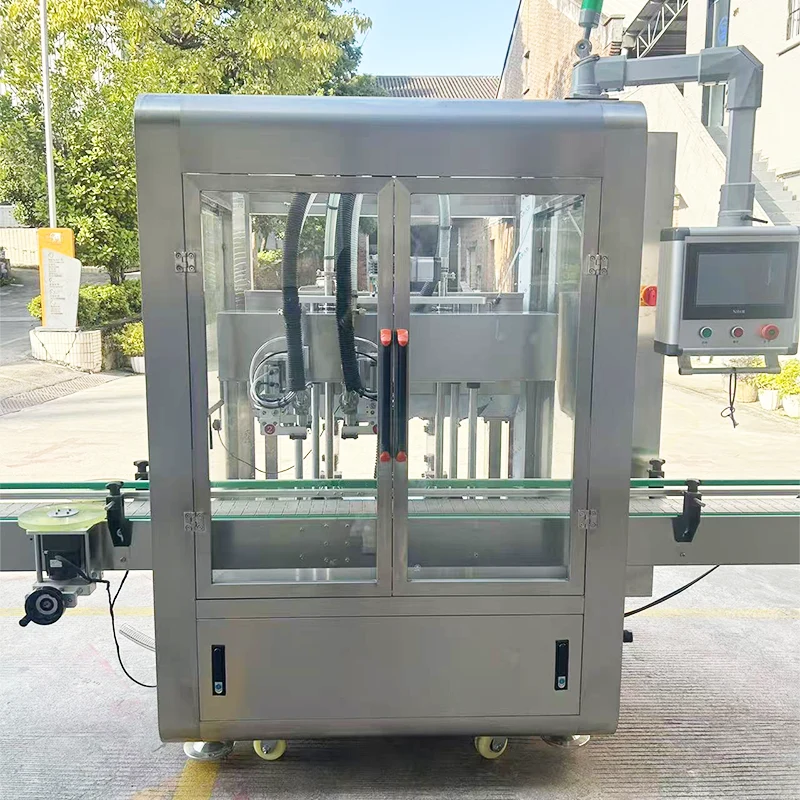
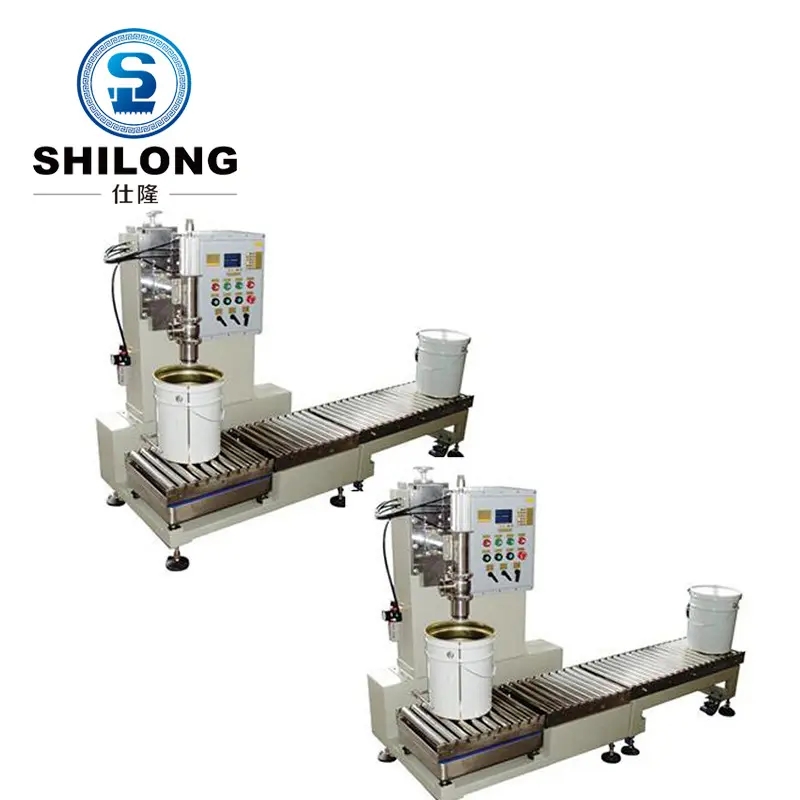
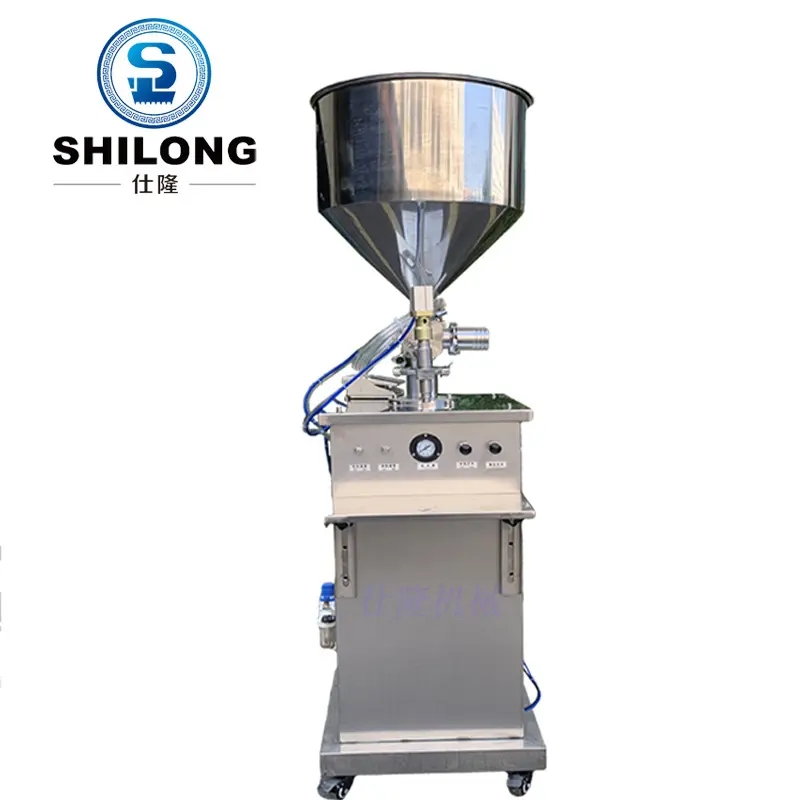
The overall process consists of five major stages: Bottle Feeding & Conveying → Automatic Cap Sorting & Cap Placing → Bottle Positioning → Capping & Tightening → Finished Bottle Discharging.
Models with different structures share the same front-end conveying and cap sorting process. The core difference lies in the capping actuator, which will be explained separately below.
I. General Process Principle (Applicable to all automatic models)
Bottle Feeding & Conveying
Filled bottles are continuously delivered to the capping station via the conveyor belt. Photoelectric sensors detect bottles in real time.
Logic control: No cap feeding without bottles; no caps will be released to empty stations to avoid cap waste and machine jamming.
Cap Sorting & Cap Placing Mechanism
A storage hopper holds bulk caps. Caps are lifted to the sorting plate. Vibration or centrifugal screening flips caps automatically and rejects upside-down caps, only forwarding correctly oriented caps.
Caps slide down the chute above the bottle mouth and are pre-positioned on the bottle neck.
Bottle Positioning
Bottle stopping cylinders, positioning fixtures, star wheels or side clamping belts firmly secure bottles to prevent bottle rotation during capping.
Capping & Tightening (Core process, three mainstream structural principles)
Bottle Discharging
After capping, positioning components release the bottles. Bottles are conveyed downstream for subsequent processes such as labeling or cartoning.
II. Capping Principle of Three Mainstream Models
Linear Friction Wheel Capper (Friction Roller Capping, Economical Most Widely Used)
✅ Working Principle
Two groups of oppositely rotating rubber friction wheels clamp the cap from both sides. Friction between rubber rollers and the cap outer wall drives cap rotation.
A bottle support base or stopper locks the bottle body. The rotating cap moves downward and tightens along the screw thread.
Power source: Ordinary variable frequency motor
Torque adjustment: Controlled by the pressing force of friction wheels
Features: Simple structure. Limitation: Prone to slipping with smooth pump caps; average torque precision.
The capping head descends, and pneumatic grippers clamp the outer circumference of the cap. A servo motor drives the gripper for precise rotation.
Equipped with torque feedback sensors to monitor tightening torque in real time. When the preset torque value is reached, the servo stops instantly and the capping head lifts and resets.
Advantage of closed-loop control: Torque accuracy ±0.3N·m. Avoids cracked bottle necks and thread slipping. Suitable for lotion pumps, spray heads and tamper-evident caps.
Rotary Multi-head Star Wheel Capper (For High-speed Production Lines)
✅ Working Principle
Continuous rotary star wheels transport bottles. Multiple capping heads are evenly installed on the main rotating unit.
Bottles revolve along with the star wheel. Capping heads descend, perform capping and lift up synchronously for non-stop continuous operation.
Multiple heads work simultaneously, delivering far higher speed than linear models. Widely used in mass production lines for beverages and disinfectants.
Supplement: Vacuum Capper (Special for Negative Pressure Application)
Capping is completed under negative pressure inside the sealed chamber.
Principle: Air inside the chamber is evacuated to form pressure difference inside and outside the bottle. Vacuum is released after capping. Effectively prevents bottle bulging caused by hot filling of sauces and cans, extending shelf life.
III. Core Electrical Control Principle
The whole machine adopts PLC + touch screen control system.
Photoelectric sensors collect signals of bottles and caps.
The PLC receives signals and sequentially controls conveyors, cap sorters, cylinders and capping motors.
For servo models: Torque signals are fed back to the PLC in real time to realize closed-loop torque control.
Fault logic: Automatic shutdown and alarm in case of bottle jamming, cap shortage or overload.
IV. Simple Popular Summary
Friction wheel capper: Rubber rollers rub and spin caps
Servo gripper capper: Grippers catch caps and twist accurately to preset tightness
Multi-head star wheel capper: Rotary turntable carries bottles continuously, with multiple capping heads operating in rotation
We use cookies to offer you a better browsing experience, analyze site traffic and personalize content. By using this site, you agree to our use of cookies. Privacy Policy