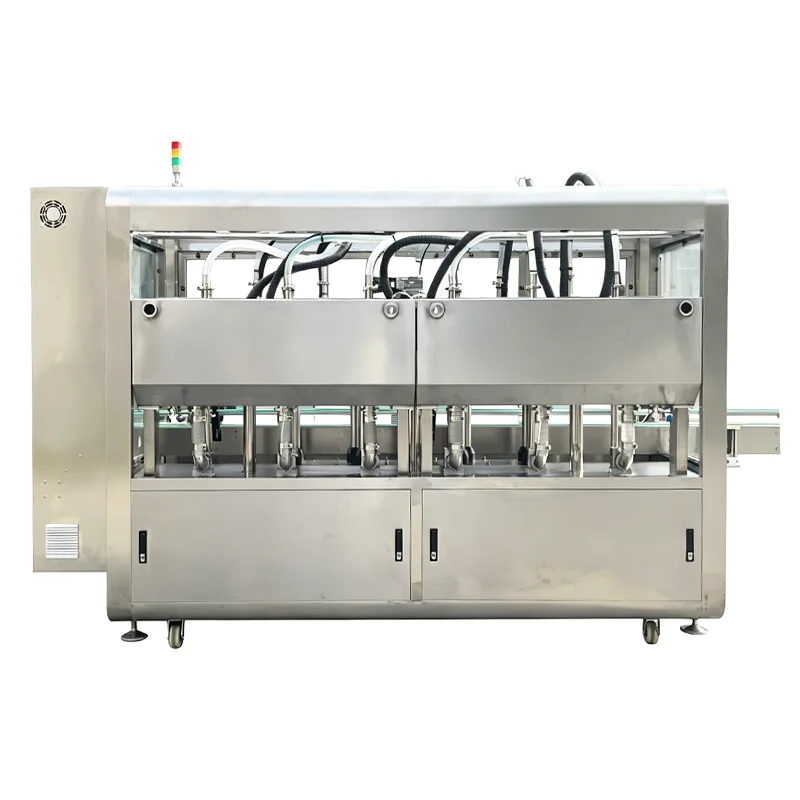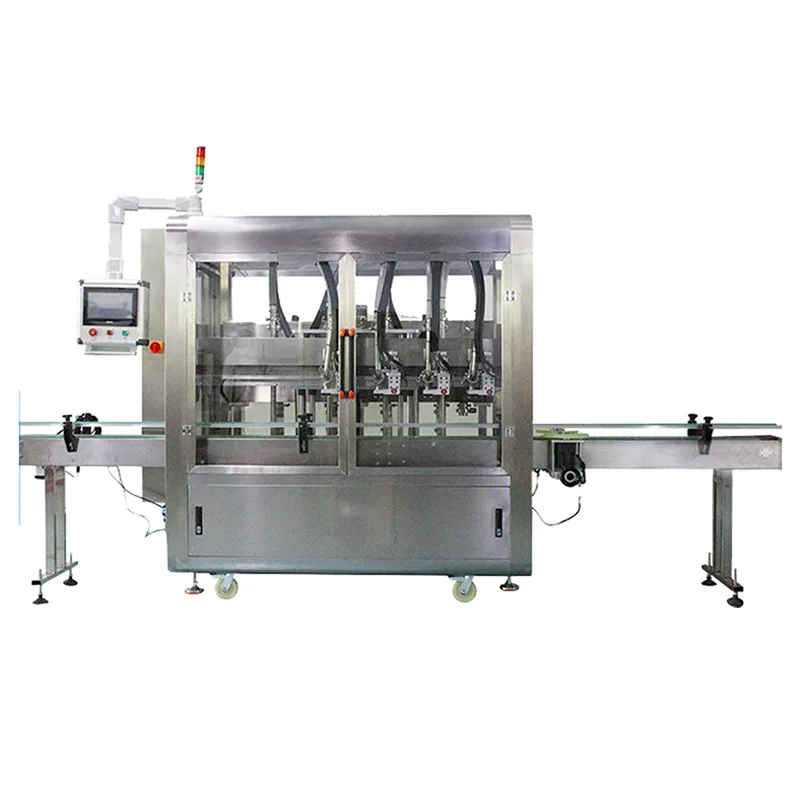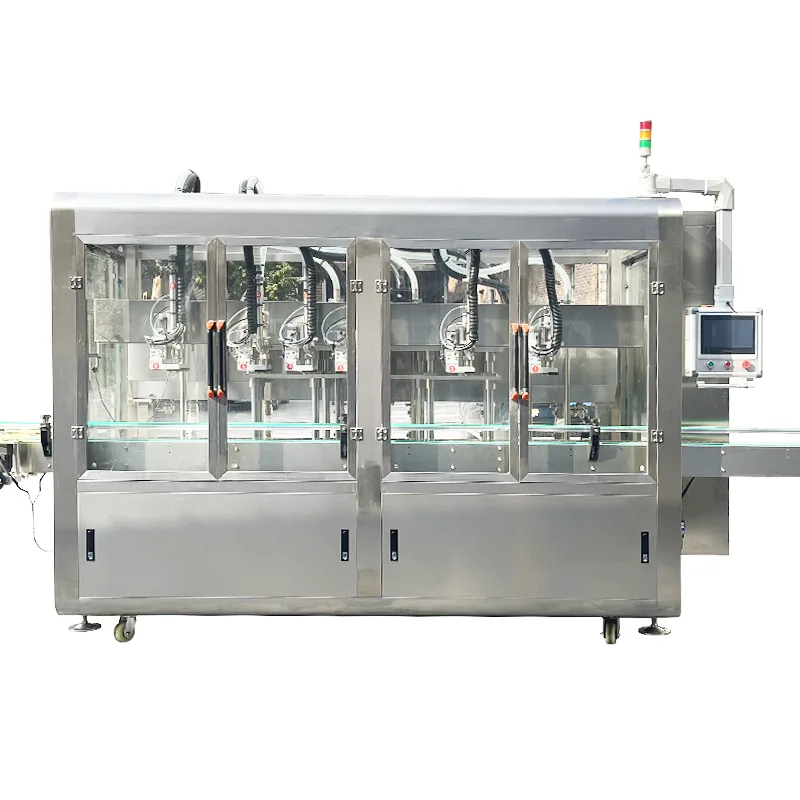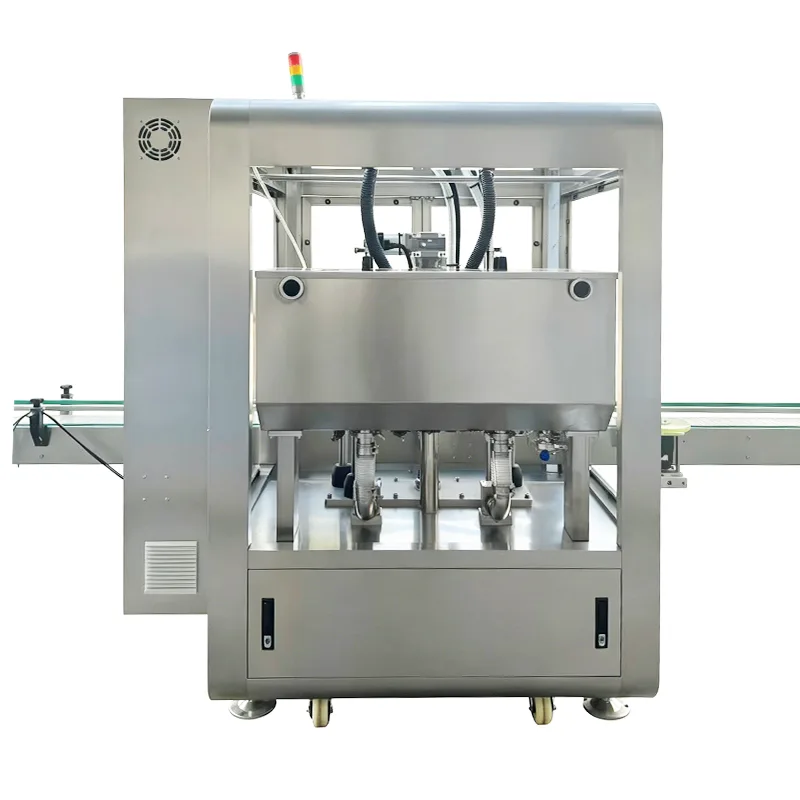

How to choose a suitable filling machine?
Choosing a suitable filling machine requires comprehensive consideration of material characteristics, production requirements, filling accuracy, packaging form, automation level, and industry compliance. Especially in the production of maternal and child health products, higher requirements are placed on hygiene standards and measurement accuracy.
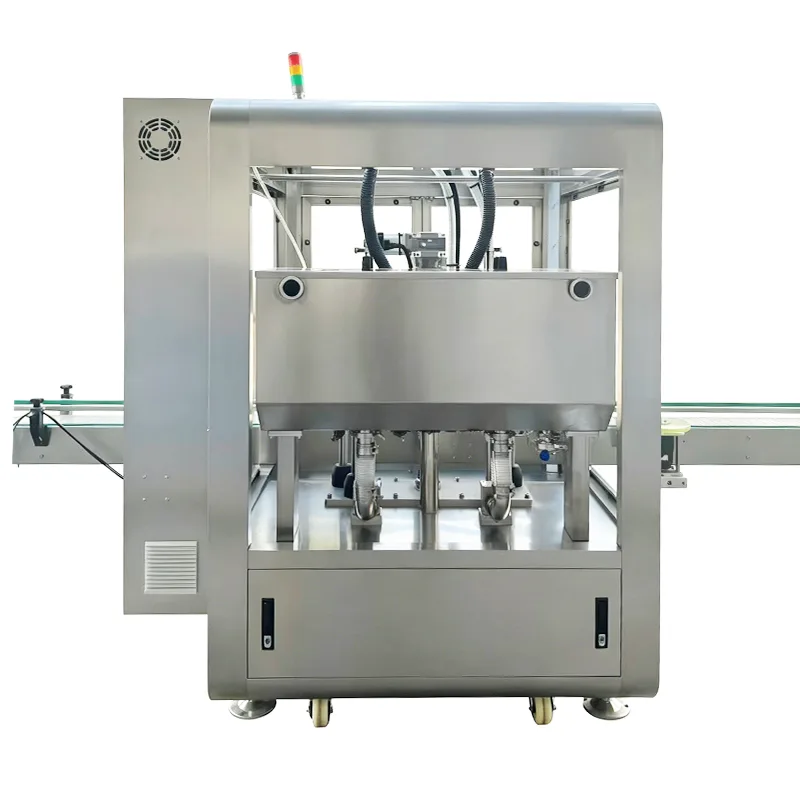
Analysis of Core Selection Dimensions
1. Material characteristics determine model matching
Low viscosity liquids (such as infant oral liquids and disinfectants): It is preferred to use peristaltic pump filling machines or self flowing filling machines to avoid cross contamination. The pump body does not come into contact with the material and is easy to clean.
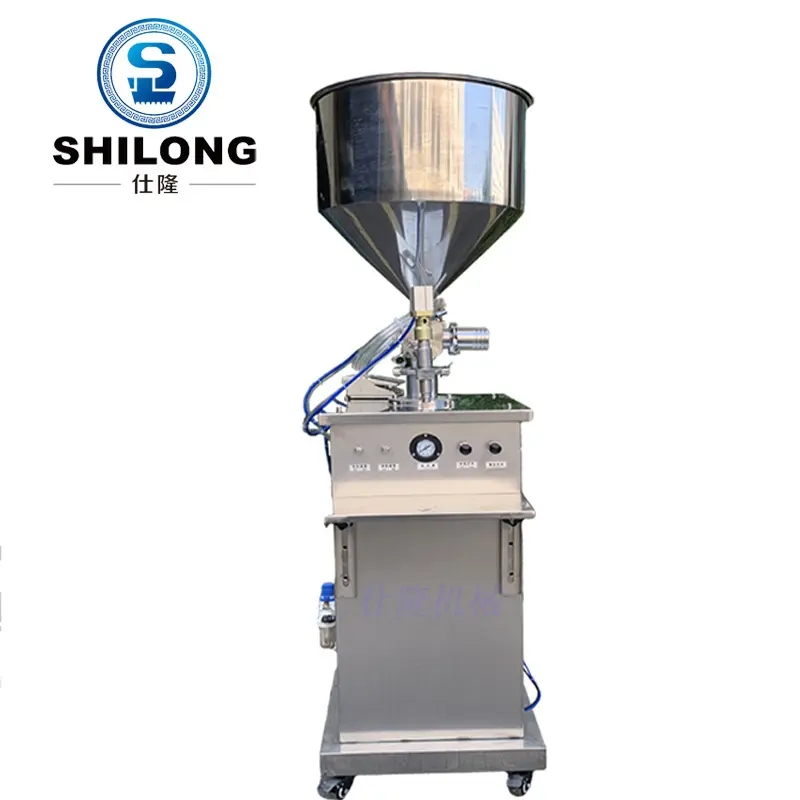
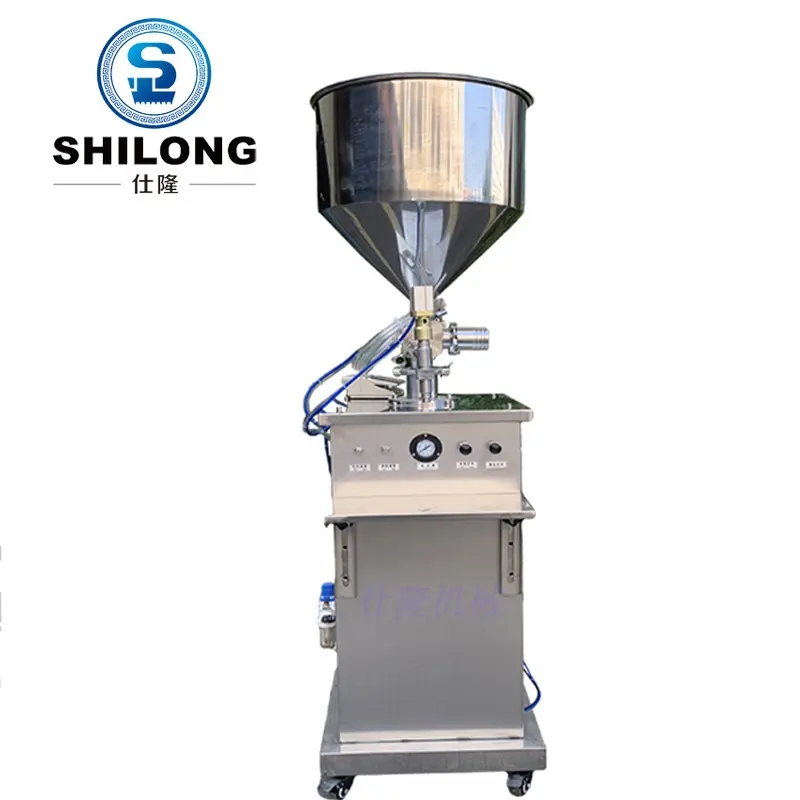
High viscosity cream (such as baby skin cream and gel products): piston or rotary pump filling machine is recommended to ensure stable blanking and prevent leakage and blockage.
Containing particles/suspended solids (such as nutrient solution and functional drinks): choose weighing filling machine, which is not affected by viscosity and foam, and the precision can reach ± 0.2%.
2. Filling accuracy directly affects cost and quality
The filling machine is recommended to control the accuracy of pharmaceutical grade or maternal and child products within ± 0.5%, with servo control system and high-precision sensors being the key.
Long term operational stability is more important than short-term speed to avoid batch rework or customer complaints due to errors.
3. Packaging container and automation adaptation
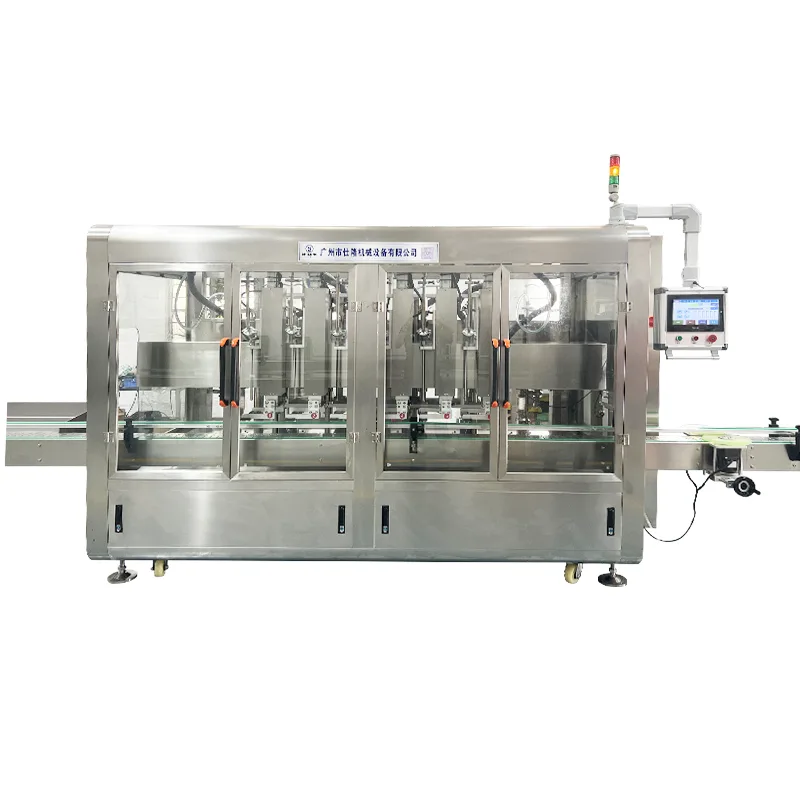
Small bottle (50-500ml): suitable for single or multi head rotary filling machines, supporting high-speed operation (300-3000 bottles/hour).
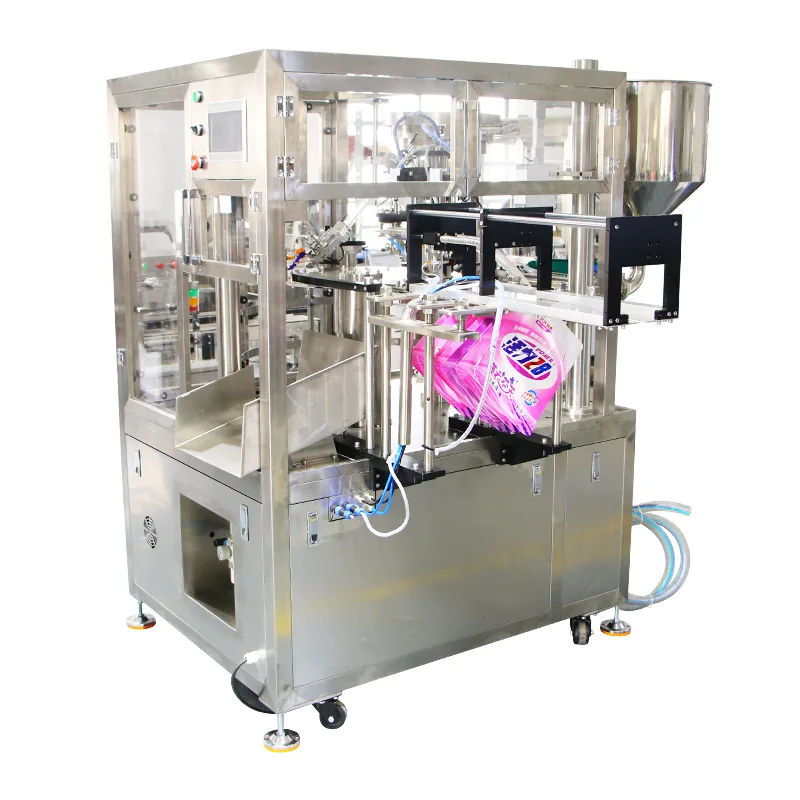
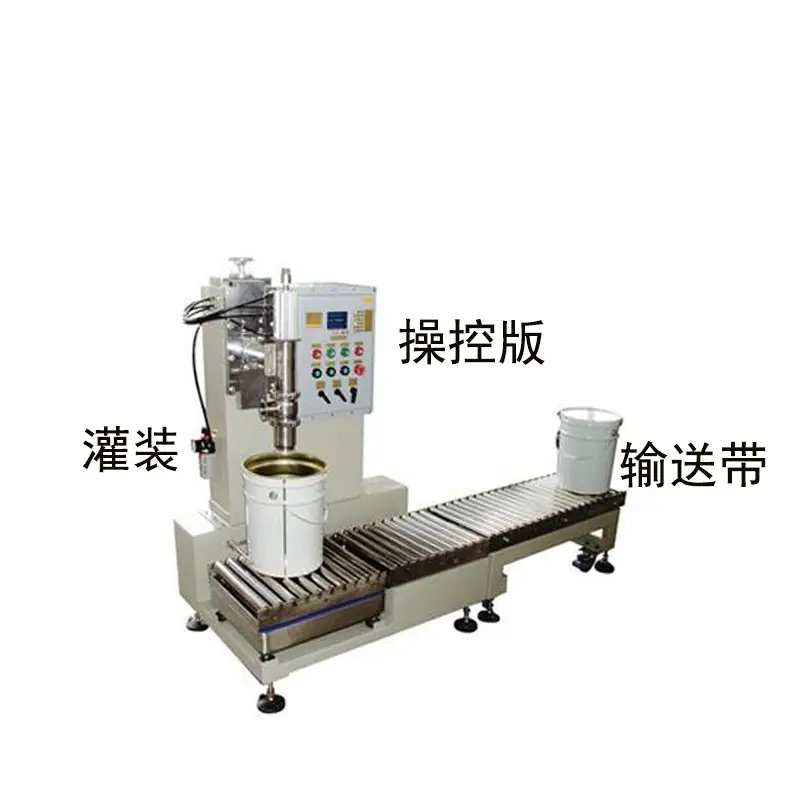
Large bucket/bag packaging (1L or more): It is recommended to use a heavy-duty filling machine, which is suitable for large dose packaging such as iron buckets and plastic buckets.
Multi SKU production: Choose equipment that supports quick changeover, and adjust parameters within 15 minutes to reduce downtime losses.
4. Hygiene and compliance requirements
All parts in contact with materials must be made of 304 food grade stainless steel, with a polished surface Ra ≤ 0.8, in compliance with GB 4806.9 standard.
The equipment should support CIP/SIP online cleaning and sterilization, meeting the requirements of GMP and clean production environment in the pharmaceutical industry.
5. Supplier service capability
Priority should be given to manufacturers that provide turnkey projects, covering water treatment, filling, sealing, labeling, and integrated production lines to reduce debugging risks.
The speed of after-sales response is crucial, and the ideal service is 7 × 24 remote diagnosis+on-site support within 48 hours.
Related News
- Shilong Machinery: Today we are going to explain the working principle of the semi-automatic paste filling machine.
- Shilong Machinery Tips: How to Calibrate Liquid Filling Machine for Incorrect Fill Volume in Simple Steps
- Shilong Machinery Sharing: Differences in Seals for Dual-head Liquid Filling Machines of Various Materials
- Shilong Machinery Talks: Why does the capping machine keep damaging bottle caps & How to avoid it?
- Shilong Machinery Daily Sharing: How Often Should Wearing Parts of Paste Filling Machine Be Replaced?
- Shilong Machinery: Key advantages of automatic liquid pre‑made pouch packing machine.
Leave me a message